Hiring right now feels a bit like dating in a post-apocalyptic romcom. The talent pool looks good on paper, half the candidates are ghosting you, and just when you think you’ve found “the one,” they get snatched up by a competitor with a slightly shinier benefits package and a hybrid working policy that doesn’t involve three-hour commutes.
Meanwhile, your existing team? They’re quietly doing great work, trying not to burn out, and wondering if anyone’s noticed them lately.
In 2026, the truth is this: Hiring is harder, messier, and more expensive than ever. And while everyone’s scrambling to attract new talent, the smartest companies are putting their energy where it really counts – into keeping the people they already have.
So before you blow your entire HR budget on recruitment ads, employer branding videos, and questionable onboarding swag… let’s talk about why staff retention should be your power in 2026 and how to make it work in the real world (without needing a beanbag budget or a meditation room).

Recruitment Alone No Longer Works, Here’s Why
Recruitment used to be simple(ish). Post a job. Get some CVs. Schedule a few awkward interviews. Choose the best candidate. Celebrate with cake.
But those days are long gone.
Now? You post a role and get 300 AI-generated cover letters, half of which start with “Dear [INSERT COMPANY NAME]”. You shortlist 10, four cancel, two don’t show up, one brings their mum to the Zoom call, and the last three demand £20k more than budget and a dog-friendly office in the Lake District.
Here’s the kicker: even if you do manage to hire someone, there’s a chance they’ll get another offer within six months. From a company with a four-day workweek, equity, and unlimited matcha lattes.
That’s because we’re no longer in a hiring market – we’re in a relationship market. Candidates want authenticity, trust, flexibility and meaningful work. They’re shopping for a lifestyle. And your recruitment strategy can’t compete if your workplace culture doesn’t deliver on what your job ad promised.
So, it’s time to stop chasing strangers and start looking after the people already sitting at your *metaphorical* dinner table.
Staff Retention Starts on Day One (Not Day 366)
You know that feeling when you buy something online, and it looks amazing in the photos, but when it arrives, it’s… not quite what you expected?
That’s how a lot of new hires feel three weeks into a job.
We spend so much time and effort wooing candidates during the hiring process like shiny careers pages, passionate interview speeches, maybe even a branded water bottle in the welcome pack – but once they sign the contract, we sometimes act like the job is done. Spoiler: it’s not.
Onboarding is the first real chance to prove your company lives up to its promises. It’s where trust is built (or broken). It’s where new employees decide if they’ve joined a place they can grow, or if they should keep their LinkedIn notifications turned on “just in case.”
And in 2026, where top talent has options (and isn’t afraid to use them), making people feel seen, supported and included from day one is actually mission-critical.
So, roll out the red carpet. Get your managers involved. Send a welcome message that doesn’t sound like it was written by a fax machine. Because staff retention doesn’t start at the end of someone’s first year – it starts on their first morning.

Growth Over Job Security: Why Your People Won’t Stick Around
Remember when people used to stay in the same job for 40 years and then get a novelty clock and a lukewarm buffet at their retirement party?
Yeah… that era is as extinct as dial-up internet. In 2026, employees aren’t sticking around just for a payslip and a pension. They want momentum, to grow, and to feel like they’re going somewhere. If your best people don’t see a future with you, they’ll build one somewhere else.
People are loyal to learning. They want stretch projects, mentorship, new skills, and clear paths to something bigger, even if that “something” isn’t a fancy new job title. It could be cross-training, secondments, or just the feeling that their work is evolving.
The good news? You don’t need a massive L&D budget to make this happen. What you do need is intentionality. Stop hoarding opportunities at the top. Build development into everyday roles. Celebrate internal moves like they’re external hires.
Because if you don’t feed their ambition, someone else will and probably throw in a desk plant and a wellness app too.
Burnout Isn’t a Badge of Honour (It’s a Staff Retention Killer in Disguise)
Somewhere along the line, “busy” became a humblebrag. You know the type: “Oh, I’m slammed right now – 12 Zooms before lunch, haven’t peed since Tuesday. Living the dream!” (Spoiler: they are not living the dream.)
In 2026, burnout it’s bad business. Your top performers? They’re the ones most at risk. The ones who always say yes. The ones who deliver the impossible and then quietly update their CV on a Sunday night while eating cereal for dinner.
Overwork is just a slow leak in your staff retention pipeline. You might not see the damage right away, but it’s happening. Productivity drops. Morale tanks. Sick days spike. And eventually, you’re waving goodbye to yet another exhausted employee… and spending £6K on their replacement.
If you want people to stick around, give them room to breathe. That means managing workloads properly. Saying no sometimes. Respecting boundaries. Encouraging time off without a guilt trip and three follow-up emails.
The companies that win in 2026 are the ones designing workplaces where people can actually thrive.
So if your team looks more like survivors of a reality TV endurance challenge than happy, engaged humans… it might be time to rethink the “hustle culture” badge.

Flexibility: Not Just for Yoga Instructors
Once upon a time, “flexible working” meant letting someone leave early on a Friday if they promised to check their emails from the motorway. In 2026? Flexibility is the whole deal and the expectation.
We’re living in a world where employees can literally work from a beach in Bali, a shed in Berkshire, or their sofa with three pets and a heated blanket.
The point is: people want control. Control over when they work, where they work, and how they work best. That means trust. And trust is magnetic – it keeps good people sticking around because they feel respected.
But here’s the catch: flexibility only works if it’s fair and consistent. If one team gets to work remotely and another’s stuck on-site five days a week without explanation, resentment builds faster than a lunchtime Deliveroo order.
So be clear. Be transparent. Train your managers. Set the rules and make sure they apply to everyone, not just the loudest voices. Because in 2026, if your flexibility policy looks like it was written in 2016, your people will flex their way right out the door.
Managers: The Unsung Heroes (or Secret Flight Risks)
People don’t quit jobs, they quit managers.
Well… sometimes they quit for money, or because they want to move to the countryside and raise alpacas – but mostly, it’s the managers.
In 2026, your line managers aren’t just there to chase KPIs and hold awkward one-to-ones. They are the frontline of retention. They set the tone, the culture, and sometimes, unintentionally, the exit strategy.
A great manager makes people feel supported, trusted, and seen. A bad manager? Think emotional vampire meets spreadsheet addict. No thank you.
Here’s the deal: you can throw all the perks, policies and ping-pong tables you want at your employees, but if their manager can’t lead, listen, or hold a halfway decent conversation that doesn’t sound like a performance review script… they’re gone.
Want to fix staff retention? Start here:
- Train your managers like you actually want them to lead humans, not robots.
- Give them time and tools to support their teams – not just chase numbers.
- Reward the ones who build great culture, not just the ones who hit sales targets.
- And for the love of employee morale, stop promoting people into leadership because “they’ve been here a while.”
In short: great retention starts with great managers. If you wouldn’t want to be managed by them, chances are… neither does anyone else.

Build Culture Over Perks
Look, we all love a good perk. Office snacks? Great. Gym discounts? Lovely. That one time your company brought in a motivational alpaca for Mental Health Week? Iconic.
But here’s the truth bomb: perks don’t fix culture.
No one stays at a job they hate because the coffee’s ethically sourced or there’s a beanbag in the corner labelled “Innovation Zone”. If your culture is chaotic, passive-aggressive, or full of unspoken rules and “we’ve always done it this way” vibes, no amount of smoothie vouchers is going to keep people from updating their CV at lunchtime.
In 2026, culture isn’t a poster on the wall or a cute value acronym that spells out “TRUST”. It’s how people feel day to day:
- Do they feel safe speaking up?
- Do they get credit for their work?
- Can they be themselves without pretending to be 10% more corporate?
- Do they know what the company actually stands for (besides “delivering value at scale”)?
Staff retention doesn’t come from kombucha taps and annual bake-offs. It comes from authentic leadership, psychological safety, clarity, and a shared sense of purpose.
So by all means, keep the snacks. But don’t confuse them with culture. Because when things go wrong, people don’t say, “At least there were bagels.”
They say, “No one listened. So I left.”
Pay and Benefits Still Matter – But They’re Not the Ceiling
Let’s get this out of the way: yes, people care about money.
No one’s sticking around for the “great culture” if they can’t pay their rent and your idea of a bonus is a branded mug and a mystery meat sandwich.
But here’s the twist: competitive pay won’t make people stay, it just stops them from leaving immediately. It’s the bare minimum. The entry fee. The floor, not the ceiling.
In 2026, employees want more than a paycheck. They want meaningful benefits that actually improve their lives. Not the dusty discount on a theme park no one’s visited since 2004. We’re talking:
- Flexibility and choice (because not everyone wants the same stuff)
- Mental health support that’s more than “talk to your manager”
- Time off that’s truly respected (no guilt trips)
- Recognition that feels human, not HR-generated
And yes, money still talks, but it doesn’t have to shout if everything else is working. In fact, people will often accept slightly less pay for a workplace that gives them autonomy, trust, development, and a boss who doesn’t treat them like a spreadsheet cell.
So yes, pay your people properly. But if that’s your only staff retention strategy?
You’re not building loyalty, you’re just renting it.

Recognition: Not Just for the Monthly Star Chart
Let’s face it – most workplace recognition still feels like something your Year 5 teacher would do:
“Thanks for showing up! Here’s a gold star and a £5 voucher for somewhere you don’t shop.”
In 2026, that’s not going to cut it. Employees want to feel genuinely seen and appreciated – not just on their birthday, work anniversary, or when they hit a sales target. They want recognition that’s real, regular, and actually means something.
Think about it: when was the last time someone thanked your team for smashing a deadline… without adding “but next time, could we do it faster?”
Recognition shouldn’t be a once-a-quarter formality. It should be:
- Specific (“That idea you brought to the client pitch? Game-changer.”)
- Timely (not three weeks later in a random newsletter no one reads)
- Personal (because not everyone wants a shoutout in front of 60 people on Zoom)
- Inclusive (not just the loudest or longest-serving team members)
And here’s the best part: it doesn’t have to cost a thing. A sincere “thank you,” a thoughtful message, or celebrating a small win can go further than a flashy bonus when it comes to making people feel valued.
We help companies turn appreciation into action – with personalised, thoughtful, and socially conscious corporate gifts that make employees feel genuinely valued. Whether it’s a milestone, a win, or just a “we see you,” we make it easy to deliver that moment of recognition right to their doorstep.
Because people don’t just leave for more money – they leave when it feels like no one would notice if they stayed.
Retention Data: Your Not-So-Secret Superpower
Okay, we know what you’re thinking:
“Ugh, data? Sounds… deeply thrilling.”
But hear us out, because data is your best friend when it comes to keeping great people from heading for the exit.
In 2026, relying on “gut feeling” to figure out why people are leaving is like trying to navigate the M25 with a paper map and vibes. You have the tools, the tech, and the tea, so use them.
Your people are giving you clues all the time:
- Survey responses
- Engagement scores
- Turnover patterns
- Exit interviews (that don’t start with “It’s not you, it’s me”)
- Even Slack emojis (no, really – is a warning sign)
The trick is not just collecting the data, but actually doing something with it.
Are your top performers leaving after 18 months? Red flag.
Are one or two managers always at the centre of turnover storms? Redder flag.
Are people in remote roles less engaged? Time to dig deeper.
The smartest companies aren’t waiting for a mass exodus to “open a dialogue.” They’re using real-time feedback and honest conversations to course-correct before someone hands in their notice with that dreaded “Can we chat?” calendar invite.
So yes, data might not be fun…
But losing your best people because you weren’t paying attention?
Way less fun.
Feeling the Burn of High Turnover or Quiet Quitting?
Retention isn’t just about salary bumps and ping-pong tables. It’s about creating genuine moments of connection, recognition, and care – from day one and every day after.
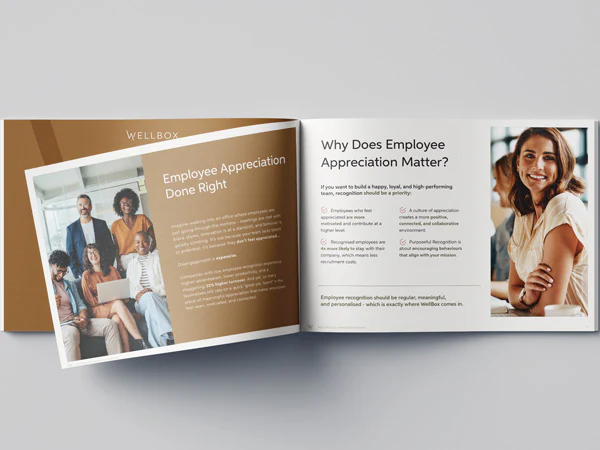
Download our Employee Appreciation Toolkit to discover simple, scalable ways to:
🎁 Retain Top Talent with Real Recognition
Ditch the generic perks. Learn how thoughtful, personalised gifting can become your secret weapon in building loyalty and long-term engagement.
💬 Reinforce Culture Across Hybrid Teams
Bridge the gap between in-office and remote staff with tangible touchpoints that make your people feel seen, valued, and included.
📈 Make Retention a Daily Habit
Use strategic gifting and everyday appreciation to turn moments into momentum – and keep your best people off the job boards.