

International Women’s Day lands on 8 March. It’s one of those dates that arrives quickly. One minute you’re mapping out Q1 priorities, the next you’re thinking, “We should be doing something for this.”
And you should. International Women’s Day is a moment to celebrate women’s achievements. It’s also a reminder that, in many workplaces, progress isn’t evenly distributed. Pay gaps still exist. Promotion pathways aren’t always level. Representation at senior levels still doesn’t reflect the talent coming in at entry level.
Most organisations care about this. The intention is there. The challenge is knowing what meaningful action actually looks like.
Empowerment at work is about everyday systems, habits and decisions. Who gets heard in meetings, who gets put forward for stretch projects, who receives clear feedback, who feels confident negotiating pay and who feels supported through life stages like maternity leave or menopause?
It’s also about visibility. In hybrid and remote teams, contribution can easily become invisible. Wins are buried in Slack threads. Praise gets squeezed into the last two minutes of a call. Recognition becomes reactive instead of deliberate.
International Women’s Day gives organisations a natural pause point. A chance to look at what’s working, what isn’t, and where small, practical shifts could make a real difference.
In this guide, we’ll share tangible ways to empower the women in your workplace. Some are cultural, some are structural, and some are surprisingly simple. All of them aim for the same outcome: a workplace where women don’t just feel celebrated on 8 March – but supported to thrive all year round.

Create a Culture Where Women’s Voices Are Heard
Empowerment starts with something simple: being heard. It sounds obvious. But in practice, it’s where many workplaces quietly fall short.
Research consistently shows that women are more likely to be interrupted in meetings, receive less airtime, and have their ideas credited to someone else. In hybrid meetings, this can be even more subtle. The person in the room often has more presence than the person on screen. The louder voice can unintentionally dominate. Over time, these small moments shape confidence.
When someone feels consistently heard and credited, they’re more likely to contribute. When they’re overlooked, they’re more likely to hold back. Creating a culture where women’s voices are heard doesn’t require a complete overhaul. It requires intention.
That might look like:
- Setting clear meeting norms around interruptions
- Actively inviting quieter voices into discussions
- Rotating who leads agenda items
- Crediting ideas in real time (“That builds on what Aisha suggested earlier…”)
These are small adjustments. But they compound. Visibility also matters beyond meetings.
Address Bias Before It Becomes a Barrier
Bias in the workplace is rarely intentional. It doesn’t usually appear as a clear policy or a deliberate decision to treat someone differently. More often, it shows up in subtle ways – in the language used during performance reviews, in assumptions about availability or ambition, or in who is described as “leadership material.”
For example, women are often described as “abrasive” or “too direct” when displaying behaviours that would be praised as confident or decisive in male colleagues. Feedback can also be less specific. Comments such as “needs more presence” or “should be more strategic” sound constructive, but without clear examples, they’re difficult to act on. Over time, this kind of vague or inconsistent feedback can slow progression.
There is also the question of potential. Research shows that men are more likely to be promoted based on future promise, while women are often expected to demonstrate prior experience before being considered ready. That difference may seem small in isolation, but across multiple promotion cycles it compounds.
Addressing bias starts with reviewing systems. Begin by examining the language used in performance reviews. Consider whether similar behaviours are described differently depending on gender. Promotion criteria should be clearly defined and applied consistently across teams. Salary decisions, too, need to be anchored to structured bands rather than shaped by individual negotiation.
A simple question can also be powerful in the moment: would we respond the same way if a man had done this?
Creating fairer systems benefits everyone. When expectations are clear and feedback is measurable, progression feels transparent rather than subjective. And when employees trust that decisions are consistent, confidence tends to follow.

Recognise Achievements in a Way That Actually Lands
In busy workplaces, feedback is often practical and task-focused. Conversations revolve around deadlines, deliverables and what needs to happen next. Praise, when it comes, can be brief or general – a quick “well done” at the end of a meeting or a line in a team update.
Research shows that women are more likely to downplay their achievements and attribute success to team effort or circumstance. At the same time, their contributions are more likely to be overlooked or absorbed into collective outcomes. Without consistent and specific recognition, important work can quietly fade into the background.
Empowering women at work means making achievement visible. That starts with being clear about impact. Instead of general praise, link recognition to results. What changed because of their contribution, what problem was solved, and what opportunity was created? Specificity builds confidence.
It also helps to widen the audience. Sharing achievements beyond immediate teams ensures contributions are seen by decision-makers and senior leaders.
Structured targets and measurable outcomes can also make a difference. When expectations are defined and progress is documented, career progression becomes less reliant on perception and more grounded in evidence.
International Women’s Day provides a natural opportunity to reflect on this. The key is that recognition supports a broader culture of visibility, rather than acting as a one-off gesture.
When appreciation is consistent and meaningful, it does more than boost morale. It strengthens confidence, supports retention and signals that contribution is both noticed and valued.

Create Clear Pathways for Progression
While many organisations are committed to gender equality, progression often tells a more complicated story. Women enter the workforce in strong numbers, yet representation tends to thin out at each step towards senior leadership. This isn’t usually the result of one large decision. It’s the accumulation of smaller ones over time.
One of the most significant barriers appears at the first step into management. If women are less likely to be promoted into that initial leadership role, the gap widens naturally at every level above it. By the time senior positions are being filled, the pool is already uneven.
Start by reviewing how stretch opportunities are allocated. Who is leading high-visibility projects, presenting to senior stakeholders, being encouraged to step outside their current remit?
It’s also important to look at how potential is assessed. Men are more frequently promoted based on perceived future capability, while women are often expected to demonstrate that they have already performed at the next level. Aligning criteria so that potential and performance are evaluated consistently makes progression fairer.
Mentorship and sponsorship also play a key role. Mentors offer guidance and perspective. Sponsors actively advocate, open doors and recommend individuals for opportunities. Both are valuable, but sponsorship in particular can accelerate career growth. Clarity is equally important. When promotion criteria are transparent and linked to measurable outcomes, employees can see what is required to move forward. This reduces ambiguity and helps individuals plan their development with confidence.
International Women’s Day can be a useful moment to review progression data and ask practical questions. Are women advancing at the same rate as men? Where do gaps begin to appear? What small adjustments could create a more balanced pipeline?
Long-term empowerment depends on more than celebration. It relies on systems that make growth visible, achievable and fair.

Support Women Through Different Life Stages
Work doesn’t happen in isolation. Careers develop alongside life. For many women, certain life stages can have a significant impact on progression and confidence at work. Parenthood is one example, but it isn’t the only one. Caring responsibilities, menopause, health changes and family circumstances can all influence how someone experiences their role.
Support during these periods often determines whether women feel able to continue progressing or whether they quietly step back.
Parental leave policies are an important starting point. When maternity leave is supported but paternity or shared parental leave is minimal, it reinforces the idea that childcare sits primarily with women. Over time, that assumption can affect hiring decisions, promotion conversations and perceptions of commitment. Balanced, well-communicated policies help distribute responsibility more evenly.
Staying connected during leave also matters. Some employees prefer regular updates; others may want clear space. Offering choice, rather than assuming one approach, can make the return to work smoother and more confident.
Flexible working is another practical lever. Hybrid models, adaptable hours and output-focused performance measures allow individuals to balance responsibilities without compromising career ambition.
It’s also worth broadening the conversation beyond early parenthood. Open dialogue around menopause support, health needs and caring responsibilities creates a culture where employees don’t feel they have to hide parts of their experience to be taken seriously.
International Women’s Day can act as a reminder to review these structures. Are policies equitable? Do they reflect the realities of modern working life? Do managers feel equipped to support employees through transitions?
When workplaces recognise that careers are not linear, they create environments where women can continue to grow, rather than feeling they need to choose between personal responsibilities and professional ambition.

Make International Women’s Day Meaningful, Not Performative
International Women’s Day can be a powerful moment. It can also feel like a tick-box exercise if it isn’t handled thoughtfully.
A social post and a themed lunch might create a short-term lift, but empowerment comes from substance. The most effective International Women’s Day initiatives sit within a wider commitment to equity. They recognise progress, acknowledge gaps and outline what happens next.
That might include sharing data on gender representation and progression. It could mean hosting a discussion that invites honest feedback about workplace experiences. It may involve announcing a new mentorship scheme or reviewing promotion criteria.
Recognition also plays a role here. International Women’s Day is an opportunity to highlight the achievements of women across the business – not just those in senior leadership, but across every team. Sharing stories and impact helps make contribution visible.
For hybrid teams, tangible gestures can strengthen that recognition. A thoughtfully curated International Women’s Day gift, paired with a personalised message that references specific achievements, can help ensure appreciation feels intentional rather than generic.
For organisations looking to pair recognition with something tangible, Athena offers a thoughtful way to do it. Curated exclusively from ethical female founders and women-owned brands, the gift has been designed to celebrate women while supporting wellbeing and social impact.

Inside, recipients will find a guided gratitude journal from Zen Valley, calming room spray or a satin sleep mask, natural wellness ginger shots, bath salts, sweet treats and a personalised message, all presented in a premium sustainable gift box. Each gift also includes a £1 donation to Mind, supporting mental health services across the UK.
With flexible delivery options, dietary choice and branded packaging available, Athena allows businesses to recognise their teams in a way that feels considered, inclusive and aligned with the purpose of the day.

Turn One Day Into Ongoing Action
International Women’s Day is a useful milestone. It creates focus, opens conversations and encourages reflection.
But real change happens in what follows.
If empowerment is only discussed once a year, progress will be slow. If it becomes part of regular review cycles, leadership conversations and performance structures, it becomes embedded.
After 8 March, consider what practical steps can continue the momentum.
That might mean:
- Reviewing gender representation data quarterly rather than annually
- Tracking promotion rates at each level to identify where gaps appear
- Auditing pay structures to ensure salary bands are applied consistently
- Building formal mentorship and sponsorship programmes
- Training managers on giving specific, actionable feedback
None of these actions are dramatic on their own. Together, they shape culture.
It’s also helpful to listen consistently. Employee surveys, focus groups or informal feedback channels can provide insight into lived experience. The aim isn’t to have every answer immediately, but to show that feedback leads to change.
International Women’s Day can act as a catalyst. It can be the point where intention becomes commitment.
When organisations treat empowerment as an ongoing responsibility rather than a seasonal initiative, it signals something important: equality isn’t a theme. It’s a standard.
And when that standard is applied consistently, workplaces become places where women don’t just feel recognised – they feel supported to grow, lead and thrive long term.
A Final Thought
Empowering women in the workplace doesn’t require a complete reinvention of how your organisation operates. It often comes down to clarity, consistency and intention.
Are voices heard and credited?
Is feedback specific and fair?
Are progression pathways transparent?
Do policies reflect real life?
These questions are not complex. But answering them honestly can be transformative.
International Women’s Day offers a natural opportunity to pause and reflect on where you are today. It allows space to celebrate the women who contribute to your organisation every day, while also asking where improvements can be made.
The most meaningful approach is one that balances recognition with action. Celebrate achievements. Create space for conversation. Review the systems that shape opportunity. And commit to revisiting them regularly.
When empowerment is built into everyday structures, it stops being an initiative and starts being part of the culture.
And that’s when progress becomes sustainable – not just for one day in March, but for the long term.
Struggling to Turn Good Intentions Into Real Employee Engagement?
If International Women’s Day has prompted bigger conversations about culture, recognition and retention, our 2026 Employee Engagement Trends guide will help you turn those conversations into action.
Inside, you’ll discover:
- The engagement shifts shaping hybrid workplaces in 2026
- What employees now expect from recognition, wellbeing and flexibility
- Practical ways to create meaningful touchpoints that improve retention
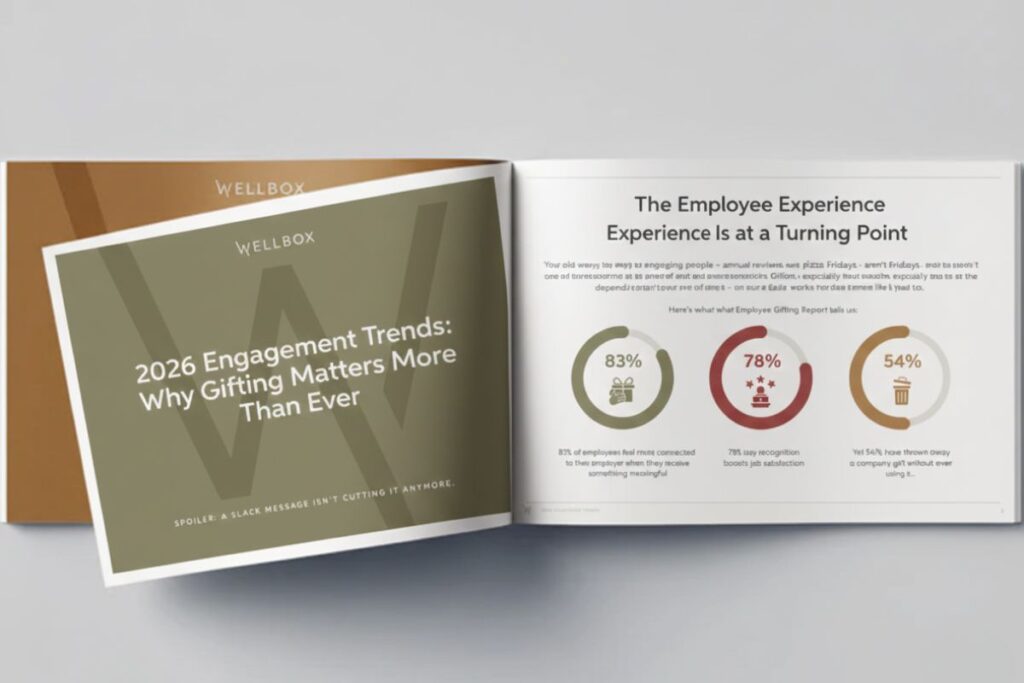
Download the 2026 Engagement Trends report and start building a workplace people genuinely want to stay in.
