

International Women’s Day lands on 8 March, and it’s one of those dates that can sneak up on you. One minute you’re planning the month ahead, the next you’re staring at the calendar thinking, “Right – we should do something.”
And you should. But not because it looks good on a company post.
International Women’s Day is a chance to celebrate women’s achievements. It’s also a reminder that gender equality is still a work in progress. That includes the workplace. We still see gaps in pay, progression, and representation. For many women, work can also come with extra pressure that others don’t notice.
The good news is that celebrating this day doesn’t need to be complicated. It does need to be thoughtful. The best International Women’s Day plans create space for recognition, learning, and real conversation. They include everyone. And they leave people feeling seen, not singled out.
In this guide, you’ll find practical ideas to celebrate International Women’s Day at work. Some are small and easy to run. Others take more planning. All of them aim for the same thing: a workplace where women can thrive, not just on 8 March, but all year round.

What Is International Women’s Day?
International Women’s Day is a global day that celebrates the social, economic, cultural and political achievements of women. It’s also a call to keep pushing for gender equality, everywhere.
The day is marked each year on 8 March and is recognised across the world. You’ll see it celebrated in schools, communities, governments and workplaces, often with a shared theme that helps focus conversations and action.
International Women’s Day has been around for over a century. It grew out of early 20th-century labour movements, when women were campaigning for better pay, safer working conditions and the right to vote. Those early efforts laid the foundations for many of the rights women have today.
Since then, a lot has changed. But not everything has changed enough. That’s why International Women’s Day still matters. It gives us a moment to reflect on progress, recognise the work still to be done, and think about how we can all play a part – including at work.
Each year, International Women’s Day also comes with a global campaign theme. The theme for International Women’s Day 2026 is Give to Gain. This focuses on building a mindset of generosity, collaboration, and reciprocity to boost gender equality.
Why Celebrate International Women’s Day at Work?
Work plays a big role in most people’s lives. It shapes opportunity, confidence and long-term security. That’s why the workplace is such an important place to talk about gender equality.
While progress has been made, gaps still exist. Women are more likely to be paid less, promoted later, and underrepresented in senior leadership. Many also experience bias, whether it’s obvious or subtle. These challenges are often even greater for women from marginalised backgrounds.
International Women’s Day gives organisations a moment to pause and reflect. It’s a chance to recognise the contributions women make every day, not just in leadership roles, but across every team and function. Feeling seen and valued has a real impact on engagement, motivation and retention.
It’s also an opportunity to listen. Celebrating International Women’s Day at work can open up conversations about what’s working, what isn’t, and where more support is needed. Done well, it shows employees that inclusion isn’t just a statement, but something the business actively cares about.
Most importantly, it helps set the tone for the rest of the year. When International Women’s Day is treated as part of a wider commitment – rather than a one-off – it can help build a culture where everyone has the chance to thrive.

Equality vs Equity (and Why the Difference Matters)
Equality and equity are often used interchangeably, but they’re not the same thing. Understanding the difference is key to creating fairer workplaces.
Equality means giving everyone the same resources or opportunities. On the surface, that sounds right. But people don’t all start from the same place. When support is identical, outcomes often aren’t.
Equity focuses on fairness instead. It recognises that different people need different levels of support to have the same chance of success. In practice, that might mean flexible working for carers, targeted development opportunities, or better support during life stages like menopause or maternity leave.
This is especially important when we talk about women at work. Gender is not a single experience. Women of colour, disabled women, LGBTQ+ women and women from lower-income backgrounds often face additional barriers that aren’t solved by “one-size-fits-all” policies.
International Women’s Day is a useful moment to reflect on this. It encourages organisations to look beyond surface-level equality and ask a deeper question: are we creating the conditions where everyone can genuinely thrive?
How to Celebrate International Women’s Day at Work
There’s no single “right” way to celebrate International Women’s Day at work. What matters most is being intentional. The best ideas create space for recognition, learning and connection, without putting pressure on anyone to participate in a certain way.
Below are a few approaches that work well across different types of teams, whether you’re fully remote, hybrid or office-based.
Recognise and Amplify Women’s Contributions
International Women’s Day is a great time to shine a light on the women who help your organisation move forward every day. That might mean sharing employee stories, celebrating achievements, or encouraging peer-to-peer recognition.
Small gestures can go a long way. A thoughtful message, a public thank you, or a personal note explaining why someone’s work matters can make people feel genuinely valued.
Create Space for Learning and Conversation
Learning together helps build understanding and allyship. This could be as simple as sharing articles or resources, or as involved as hosting a guest speaker or panel discussion.
Book clubs, lunchtime talks and open conversations give people a chance to listen, reflect and ask questions. The goal isn’t to have all the answers, but to create a space where learning feels safe and ongoing.
Build Connection and Community
Connection is especially important in remote and hybrid teams. International Women’s Day can be a reason to bring people together through networking sessions, mentoring chats or informal coffee catch-ups.
These moments don’t have to be formal. Giving people the opportunity to connect, share experiences and support one another helps strengthen workplace culture long after the day itself.
Make It Inclusive
Gender equality isn’t a women-only issue. International Women’s Day should invite everyone into the conversation.
Inclusive celebrations use welcoming language, encourage allyship, and recognise that experiences of gender are not the same for everyone. Creating space for different perspectives helps ensure the day brings people together rather than leaving anyone out.

Make It Tangible: Thoughtful Gifting That Actually Lands
Sometimes, a message or a meeting isn’t quite enough. A tangible gesture can help people feel truly seen and appreciated – especially in remote or hybrid teams where connection doesn’t always happen naturally.
When it comes to International Women’s Day, gifting works best when it supports the message, rather than replacing it. The goal isn’t to hand out something for the sake of it. It’s to choose something that reflects your values and the meaning behind the day.
What Meaningful Gifting Looks Like
Good International Women’s Day gifts feel considered. They avoid stereotypes and focus on inclusivity. They recognise contribution, support wellbeing, and ideally create a positive impact beyond the recipient.
For example, a gift like Athena has been thoughtfully curated to celebrate women in a way that feels aligned with the purpose of the day. It features premium products from ethical female founders and women-owned brands, combining wellbeing, indulgence and social responsibility in one meaningful gesture.

Inside Athena, recipients receive:
- A premium sustainable gift box
- A Zen Valley Gratitude Habit guided daily journal
- A calming room spray or satin sleep mask
- A 100% natural wellness ginger shot
- Bath salts from Banks Lyon Secret Salt Society
- Mallow & Marsh mini mallows
- A serene postcard with your personalised message
- A £1 donation to Mind, supporting mental health
- Free UK delivery to the office or directly to a home address
It also offers flexibility. You can deliver now or schedule delivery within the next 12 months, making it easy to plan around your International Women’s Day activity. Dietary options can be selected in advance or chosen later through a gift redemption page, giving recipients choice and avoiding assumptions.
What to Avoid
International Women’s Day gifting should never lean into clichés or outdated ideas about what women “like.” It should also never stand alone as the only action taken.
A thoughtful gift can strengthen connection. But it works best alongside real conversations, recognition and long-term commitment to equity.
When done well, gifting becomes part of a wider message: we see you, we value you, and we’re committed to building a workplace where you can thrive.
Turning International Women’s Day Into Long-Term Action
International Women’s Day can be a powerful moment, but real progress happens in what comes next. One day of celebration can’t fix systemic issues on its own. What it can do is spark momentum.
For organisations, this means looking beyond events and gestures. It’s about reviewing policies, progression pathways and pay structures, and asking whether they truly support equity. It’s also about listening to women’s experiences and acting on what you hear.
Long-term action might include mentorship programmes, clearer development opportunities, stronger support through life stages, or employee resource groups that have real backing. Small changes, when sustained, can have a meaningful impact over time.
When International Women’s Day is treated as part of a wider commitment – rather than a standalone initiative – it sends a clear message. Gender equity isn’t a trend or a campaign. It’s an ongoing responsibility, and one that benefits everyone in the organisation.

Frequently Asked Questions
When is International Women’s Day?
International Women’s Day takes place every year on 8 March. It is recognised globally and marked by individuals, organisations and communities around the world.
What is the purpose of International Women’s Day?
International Women’s Day celebrates the achievements of women while also highlighting the ongoing need for gender equality. It’s both a moment of recognition and a call to action.
How can remote or hybrid teams celebrate International Women’s Day?
Remote teams can take part through virtual events, shared resources, online discussions, peer recognition and thoughtful gestures that can be delivered to people at home. Inclusion and intention matter more than location.
Do International Women’s Day celebrations need a big budget?
No. Some of the most meaningful actions cost very little. A personal message, shared learning resources or time set aside for conversation can be just as impactful as a larger initiative.
Should everyone be involved in International Women’s Day at work?
Yes. Gender equality affects everyone, so International Women’s Day should be inclusive of all genders. Creating space for allyship and shared learning helps build stronger, more supportive workplaces.
Final Thoughts
International Women’s Day is a moment to pause, reflect and recognise the women who make our workplaces what they are. It’s a chance to celebrate progress, while being honest about the work that still needs to be done.
The most meaningful celebrations are thoughtful rather than performative. They create space for learning, recognise real contributions, and bring people together in ways that feel genuine.
Whatever shape it takes, the goal is the same. To build workplaces where women feel valued, supported and able to thrive – not just on 8 March, but every day of the year.
Don’t Let International Women’s Day Be a One-Day Effort
If you want the conversations, recognition and goodwill from 8 March to actually lead somewhere, you need a plan that carries momentum forward. Our 2026 Employee Engagement Trends guide is designed to help you do exactly that.
Inside, you’ll discover:
- The key engagement shifts shaping inclusive workplaces in 2026
- What employees now expect from recognition, equity and wellbeing
- Practical ways to turn calendar moments into long-term culture change
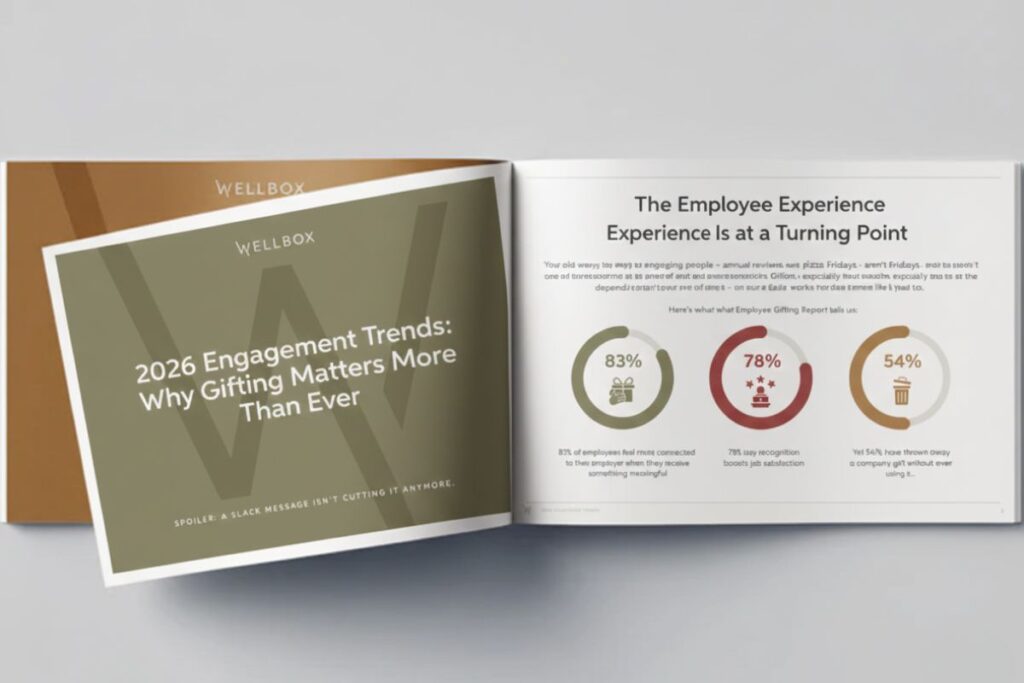
Download the 2026 Engagement Trends report and start building a workplace where inclusion isn’t seasonal – it’s embedded.
