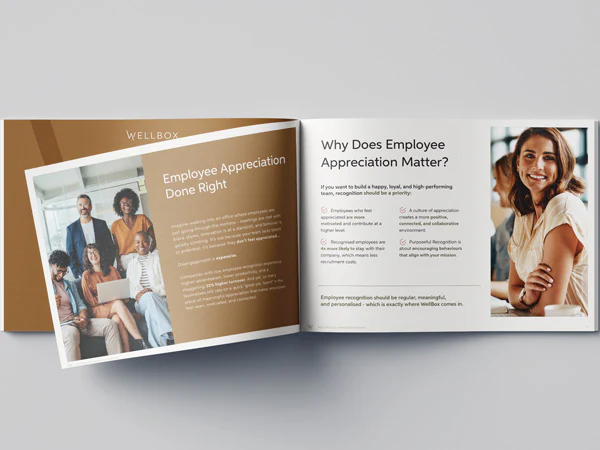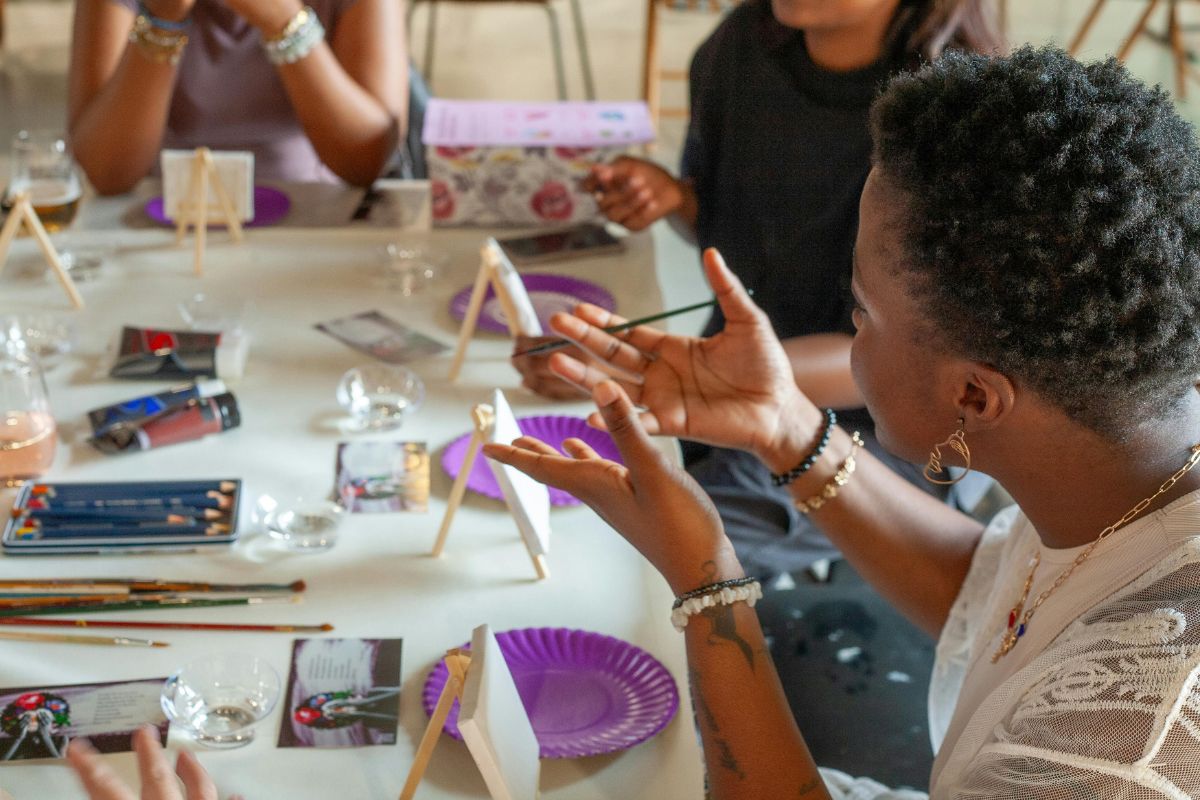
As we look ahead to 2026, one thing is clear: employee engagement isn’t what it used to be.
The days of annual surveys, generic perks, and one-size-fits-all recognition are over, and that’s a good thing. Work has evolved. Teams are more remote, more diverse, and more flexible than ever before. For HR and People leaders, that brings both a challenge and an opportunity: to create engagement strategies that feel personal, authentic, and genuinely connected.
We’ve seen this shift up close. As experts in employee engagement and workplace connection, we help companies rethink how they show up for their people – not just once a year, but at every meaningful moment in the employee journey. From onboarding and recognition to wellbeing and retention, we specialise in turning good intentions into tangible touchpoints that drive real connection.
This means we see first-hand that today’s employees still want benefits and bonuses, but they also need meaning. They want to feel seen, supported, and part of something that matters. And the organisations that invest in small, thoughtful moments of connection, especially throughout the entire employee lifecycle – will be the ones that build stronger, more resilient teams in the years ahead.
So if you’re planning your engagement strategy for 2026, this guide is for you. We’re diving into what modern engagement looks like, what employees truly value now, and how to create a culture that retains, inspires, and drives real connection.
1. The Culture Shift Is Already Happening
It’s funny how we still talk about “human-centric workplaces” like it’s a new idea. It’s not! It should come as no surprise that for the large majority of human history, work has been human. But after a few kind of crazy years – burnout, layoffs, AI joining teams, quiet quitting, and endless Slack pings – it’s clear many of us forgot what being human at work means.
Looking ahead to 2026, the companies that thrive won’t be the ones with the flashiest employee portal. They’ll be the ones where people can simply exhale. A real culture shift is already underway. It’s not loud or performative – it’s quieter, deeper, and more human. People want to feel at home. And that’s not something you can bullet point on a culture slide.
Here’s the nuance: You’re navigating five generations at once, each with its own perspective:
Boomers want their experience respected and utilised.
Gen X just want space and trust to get the job done.
Millennials need to know the work means something (to someone).
Gen Z demand emotional honesty and transparency.
So no, you can’t fake this with a glossy internal newsletter. You build culture in the small, consistent, unremarkable moments. The way someone’s welcomed on day one. A manager asking how they’re really doing – without it feeling awkward. A note that arrives unexpectedly: “Saw what you did. Appreciated it.”
That’s where culture lives now. Not in the policy doc, but in the proof – when no one’s watching – that people matter. And that’s exactly why we do what we do. A wellbeing and self-care gift might look simple. But when it lands on someone’s doorstep after a tough week, it’s not just about what’s inside. It’s about the unspoken message it sends:
“You matter. We noticed. We care.” That’s the power of thoughtful connection. And in 2026, that’s what great culture will be built on.

2. Managers Will Make or Break Retention
You might have heard this classic line before: ‘people don’t leave companies, they leave managers.’ It might sound like a bit of a cliché, but it’s playing out daily in inboxes, exit interviews, and Sunday-night dread across the country. The most meaningful engagement is built in the micro-moments – the tone of a 1:1, how feedback is given, and whether someone feels like their manager actually sees them as a human being rather than a to-do list.
And let’s not sugar-coat it. Most frontline managers didn’t sign up to be culture architects. They’re juggling targets, battling meeting fatigue, navigating generational gaps, and trying to remember which app now handles performance reviews (because it changed again last quarter). Many are doing their best – armed with good intentions and a leadership playbook that’s badly out of date.
So it’s no surprise that engagement often falls apart where it matters most: the team level. In 2026, the companies that get ahead are the ones investing downstream – where culture actually happens, in everyday conversations, in managers who know how to connect and communicate properly.
And the best ones? Here’s what they do differently:
They know how to check in and micromanage, communicate like people, stay steady when someone younger – or older – wants something different. They’ve been actually trained in emotional intelligence – not just buzzword bingo.

3. Flexibility Is Now the Norm, Not the Perk
We throw around the word “flexibility” like everyone means the same thing. They don’t.
For some, it’s about the freedom to start early and log off by 3pm for the school run. For others, it’s “please never ask me to commute again.” And for a few, yeah – it’s wanting to be in the office, lights on, desk plant thriving, coffee brewed just right. All valid.
But here’s the nuance we don’t talk about enough: flexibility is clarity.
The companies doing this well aren’t just handing out remote contracts and hoping for the best. They’re getting serious about expectations, about communication, about tooling and trust. They’re saying, “Here’s how we work, and here’s how we win – together, wherever you are.”
Because the generational split is real:
- Boomers still value rhythm, routine, a clear end to the workday.
- Gen X wants to be left alone to do good work (ideally while wearing noise-cancelling headphones).
- Millennials? Give them location freedom and let them design their day around when they’re actually alive and productive.
- Gen Z? Born into tech. Fluent in boundaries. And honestly, not that impressed by offices with beanbags.
No matter how it looks for the individual, flexibility done well really can move the needle. And in super meaningful ways. We’re talking:
- Higher productivity (no one’s wasting hours pretending to work at a desk they hate)
- Better mental health (because rest isn’t rationed)
- Stronger retention (people stay when they’re trusted)
- Wider hiring pool (finally, you’re not just recruiting within 30 miles of HQ)

4. Purpose and Progress Are the New Non-Negotiables
Once upon a time, a decent salary and a fancy-ish job title could keep people around for a while. Not anymore. In 2026, that equation’s flipped. People are asking: What’s the point?
What they are really looking for is a sense of purpose and a path to progress. Miss either? You’ll lose them.
Especially with Millennials and Gen Z, you simply can’t coast on perks and platitudes. They’re not here for vague missions or hollow values printed on a mural in the stairwell. They want to know why the work they do matters, who it helps, and whether they’ll grow in their role. But this purpose has to live in the everyday. That means:
- Making sure people actually understand how their role impacts the bigger picture.
- Talking about “why we’re doing this” as much as “what we need done.”
- Creating room to grow, upward, sideways, even diagonally.
- Letting people shape their own next step, not just wait for one.
Each generation brings their own version of this:
- Boomers want legacy. They’ve got decades of experience and want it to mean something, they want to pass it on.
- Gen X? Give them real problems to solve and the space to do it their way.
- Millennials want alignment with values, they care about what their work is funding.
- Gen Z wants full transparency and purpose that shows up in action, not slogans.
And when they don’t get it? They disengage. Quietly, at first. Then completely. So how do you make purpose feel real?
- A surprise gift celebrating a new qualification or internal move
- A handwritten note from a founder that isn’t mass-printed
- A small, meaningful gesture when someone leads a project that aligns with the company’s mission
These are reminders that you saw them. That their growth is noted. That their purpose matters and you noticed it in action.

5. Real-Time Recognition Drives Daily Engagement
Here’s the thing by the time the annual review rolls around, the moment’s gone. You can’t retroactively make someone feel appreciated. Not properly, anyway.
In 2026, recognition needs to be part of the rhythm. It’s how teams stay in it together, how managers show they’re paying attention, how you build a culture where people keep showing up, even when things get messy.
And no, it’s not just about big wins or heroic efforts. It’s about the stuff that usually slips under the radar:
- That person who rewrote the entire client deck at 10pm.
- The quiet one who keeps the wheels turning in the background.
- The person who stayed late to help a teammate hit their deadline, even when no one asked.
That’s where recognition hits hardest. In the small stuff. In the daily effort that often goes unspoken.
And when it’s done right – genuine, personal, not mass-produced – it changes everything. Engagement. Morale. Retention. All of it. But people know when it’s fake. They can smell a copy-paste “great job!” from a mile away.
Real recognition in 2026 looks like:
- A shoutout in the team chat that actually says what someone did, not just their name.
- Micro-rewards tied to your values, not just metrics.
- A manager dropping a voice note to say thanks, instead of waiting months for the next 1:1.
- Celebrating weird little wins and big life moments with the same kind of energy.
And yes, how people like to be recognised still depends on who they are:
- For Boomers, make sure to give them visible credit for their leadership, they’ve earned it.
- Gen X want you to make it clear that their outcomes and independence were valued.
- Millennials need to be shown how their work moved the needle, especially the impact it has on the team.
- Gen Z want you to keep recognition real and quick. Something a little unexpected or creative definitely wouldn’t go amiss.

6. Wellbeing Must Be Holistic
Work-life balance is actually business imperative. And in 2026, the companies leading in engagement will treat wellbeing as holistic, strategic, and deeply embedded in their culture.
We’re talking about supporting the whole person: mentally, physically, emotionally, socially, and financially. Because the reality is simple – burnt-out people don’t engage, and unsupported teams don’t stick around.
The modern employee expects their employer to care as much about their work performance as about how they’re doing as human beings. This is what holistic wellbeing looks like in 2026:
- Mental health support: access to therapy, mental health days, and psychological safety.
- Physical wellbeing: wellness stipends, fitness options, healthy snacks.
- Financial wellness: tuition reimbursement, debt support, and financial coaching.
- Social connection: team bonding, peer recognition, and shared experiences.
- Flexible working: giving people control over how and when they work.
Wellbeing needs to have the foundation of systems that prevent burnout, support recovery, and encourage balance by design. Generationally, this might look like:
- Boomers value healthcare and long-term stability.
- Gen X seeks flexible policies that support family life.
- Millennials prioritise mental health and work-life integration.
- Gen Z expects employers to actively support wellbeing, not just talk about it.
Supporting wellbeing can (and should) be felt. We help bring this to life with curated gift boxes designed specifically around mental health, healthy living, stress relief, and energy boosts. Whether it’s a wellness gift during a busy season, a mindfulness gift after a big launch, or a care package to help someone bounce back from burnout, these gifts show your people: we see you, and we’ve got you.
Because when people feel well, they do well. And that’s when engagement turns into real, sustainable performance.

7. Data-Driven Engagement Strategies Take Centre Stage
In 2026, guessing how your employees feel just isn’t good enough. The best HR and People teams are working off insight. As employee engagement becomes more strategic, the shift toward data-driven decision-making is super important.
But it’s not about collecting more data. It’s about collecting the right data, and knowing what to do with it. Pulse surveys, stay interviews, Employee Net Promoter Scores (most commonly known as eNPS scores – that measures employee loyalty and engagement) and platform analytics all offer a window into the real-time health of your workforce. But numbers alone don’t improve engagement, action does.
What Modern Engagement Tracking Looks Like:
- eNPS to measure loyalty and advocacy
- Pulse surveys to capture mood in the moment
- Attrition analytics to spot risk before it’s too late
- Manager dashboards to identify team-specific issues
- Training & development tracking to prove impact
The most forward-thinking organisations are pairing quantitative insight (the what) with qualitative feedback (the why). It’s about turning data into dialogue, and dialogue into decisions. So, where does gifting come into this? Simple. You can use our gifts as a tangible way to respond to feedback. For example:
- After a dip in wellbeing survey results? Send a wellness gift to encourage them to refresh and rejuvenate. Our Breathe gift is a great option.
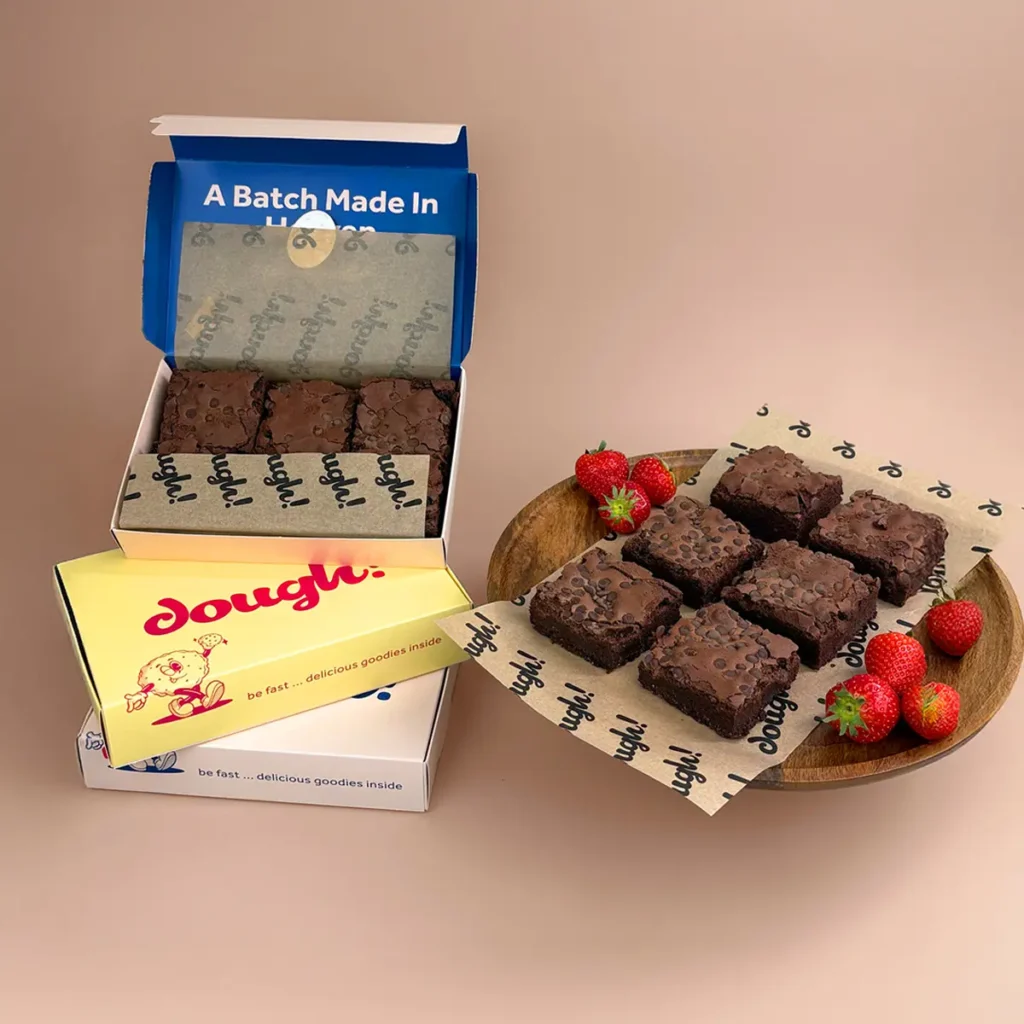
- Noticing great performance from a specific team? Recognise them with a surprise sweet treat. Our Letterbox Brownies are great options for chocoholics in your team.
- Want to boost morale before a big change? Use a curated gift to show appreciation and support.
By tying real-time engagement data to real-life action, you show employees that their voice leads to something meaningful. Because in 2026, feedback without follow-up isn’t engagement, it’s just noise.
8. AI, Automation & Personalisation in Engagement
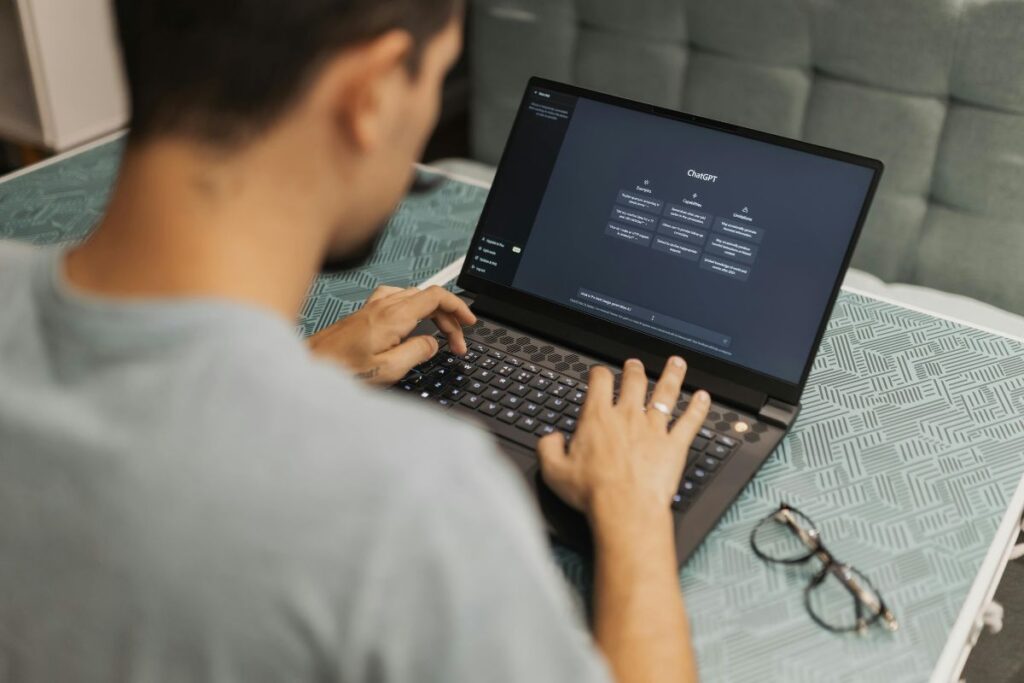
In 2026, AI is completely reshaping how we engage, support, and recognise our teams. But here’s the twist: the companies that will win are the ones using new technology to enhance their day to day.
From personalised onboarding journeys to predictive burnout alerts, AI is helping HR teams anticipate needs, automate repetitive tasks, and create hyper-relevant experiences for every employee. It’s engagement at scale, but with a personal feel.
Where AI is Powering Engagement:
- Personalised employee journeys based on behaviour and goals
- AI-powered surveys that adapt in real-time
- Smart nudges for managers to check in or recognise team members
- Automated milestone tracking (birthdays, anniversaries, learning progress)
- Sentiment analysis to catch disengagement early
But there’s one non-negotiable: authenticity. AI can surface the what and when, but it’s still up to humans to deliver the how. But how you introduce new technology is important because your team may have different approaches depending on their background:
- Gen Z expects AI to enhance their experience rather than dominate it.
- Millennials appreciate tech-enabled convenience, but still value genuine interaction.
- Gen X wants tools that save time without removing control.
- Boomers need intuitive platforms with real-world support.
AI can remind you when someone hits a milestone – but how you mark that moment still matters.
9. Personalised Benefits & Sustainability Will Matter More
In 2026, employees expect more than just a standard benefits package – they want personalised support that reflects their lifestyle, values, and long-term goals. At the same time, they’re looking at how companies walk the walk when it comes to sustainability and social impact.
It’s no longer about adding perks for the sake of it. The most forward-thinking organisations are designing benefits that are flexible, inclusive, and future-facing – because what works for a new graduate is very different from what supports a working parent, or someone nearing retirement.
And with growing pressure from both employees and consumers, corporate responsibility is now a key part of the employee value proposition. People want to work for companies that care – not just about profits, but about people and the planet. Here are a list of just a handful of emerging benefit trends:
- Personalised benefits: modular options for healthcare, PTO, retirement, and insurance
- Wellness support: mental health services, fitness stipends, nutrition coaching
- Financial wellness: debt assistance, tuition reimbursement, retirement planning
- Family-friendly benefits: parental leave, backup childcare, eldercare assistance
- Sustainability perks: carbon offsetting, green offices, EV charging, ethical vendors
How benefits are received could depend on the individual you’re giving them to.
- Boomers value comprehensive retirement and healthcare options.
- Gen X wants flexibility and financial planning tools.
- Millennials prioritise mental health, parental support, and purpose-driven perks.
- Gen Z demands sustainability, transparency, and ethical business practices.

10. Engagement in 2026 Is About Intentional Action
If there’s one takeaway from the employee engagement landscape in 2026, it’s this: engagement needs to be viewed as a mindset. It’s no longer about one-off surveys, yearly bonuses, or reactive HR policies. It’s about consistent, intentional action that puts people at the heart of every decision.
Employees want proof that your promises will come true. They want to feel recognised and supported which means they need flexibility, and growth – not just a desk and a pay-check.
Companies that embrace this shift will build workplaces where people buy in. These are the businesses that will retain top talent, inspire innovation, and outperform their competitors.
What This Means for You:
As an HR leader, People Manager, or business owner, now is the time to ask:
- Are we turning our values into actions?
- Are our managers empowered to lead with empathy?
- Are we using data to listen – and respond – in real time?
- Are we creating real moments of connection in a hybrid world?
We exist to help companies create tangible touchpoints that cut through the digital noise and bring people together – wherever they are. From onboarding gifts and wellness boxes to recognition moments and curated experiences, we turn your good intentions into great culture.
Because the companies that will thrive in 2026 are the ones that show up for their people, again and again, in ways that are personal, thoughtful, and human.
Ready to Turn These Trends Into Action?❗
The best engagement strategies are built with intention, insight, and the right tools. Our free Employee Engagement Toolkit gives you everything you need to start building a people-first culture in 2026 and beyond.
Whether you’re rethinking onboarding, refreshing your recognition strategy, or looking for ways to support hybrid teams, this toolkit is your step-by-step guide.
- Engagement strategy templates
- Recognition program planning tools
- Survey questions that actually get answers
Manager enablement checklists
Real-world ideas for creating meaningful touchpoints