Remember when onboarding meant awkward icebreakers in fluorescent-lit meeting rooms, a branded mug, and a mountain of paperwork? Fast forward to 2026, and that entire experience has been zapped into the virtual world – replaced with Zoom hellos, Slack emojis, and “your laptop is in the post” messages.
And while the way we onboard has gone digital, the goal hasn’t changed – to help new team members feel confident, connected, and ready to contribute.
With remote and hybrid work now baked into how we do business, onboarding is your first chance to show new hires what your company really stands for. Get it right, and you boost retention, engagement, and productivity from day one. Get it wrong? You risk becoming another tab quietly closed during their lunch break LinkedIn scroll.
In this guide, we’re diving into what remote onboarding looks like now – what’s evolved, what still works, and how you can build an onboarding experience that’s tech-smart, people-first, and future-ready. Whether you’re welcoming one new hire or scaling fast, these are the insights that’ll help you turn onboarding into your secret weapon.
Let’s get into it.

1. From Orientation to Integration: Redefining Onboarding in 2026
Onboarding used to be a handshake, a desk tour, and a quick PowerPoint about company values – done and dusted before lunch. In 2026? It’s a whole different game.
Today, remote onboarding is as much about helping them start the job as it is about helping them to belong, perform, and stick around. The shift from traditional onboarding to remote and hybrid models has turned what was once a single event into a multi-phase journey that begins well before Day One and continues far beyond the first few weeks.
New employees need to feel emotionally connected, culturally aligned, and technically equipped – all without stepping foot into a physical office. That means your onboarding process needs to be structured, scalable, and designed for the realities of remote work: asynchronous communication, flexible schedules, and a digital-first experience.
The best onboarding programs in 2026 treat new hires like long-term collaborators from day one. They’re built to integrate people socially, align them with the company’s mission, and get them productive faster – without burning them out or overwhelming them with back-to-back Zooms.
Onboarding is your first real opportunity to prove your culture lives beyond your careers page.
2. Preboarding as Retention Insurance
In 2026, the days between “You got the job!” and “Welcome to the team!” are some of the most important – and overlooked – moments in the employee experience. Enter: preboarding.
Preboarding has shifted from a polite courtesy to a powerful retention tool. With candidates juggling multiple offers and hybrid roles making job changes feel less ‘real’ until they’re logged into Slack, companies can’t afford to go radio silent between offer letter and start date.
A strong preboarding experience helps reduce anxiety, reinforce commitment, and build early momentum. Think of it as the “first impression before the first day.”
Here’s what it looks like in 2026:
- A warm, branded welcome email (bonus points for a video from the team or CEO).
- An onboarding buddy introduction – early rapport = early trust.
- Tech shipped on time with clear setup instructions.
- Calendar invites pre-loaded with first-week meetings and socials.
- Optional invites to internal events or all-hands to get a feel for the culture.
- A taste of the mission – maybe a short video, deck, or company playlist.
- And yes, a thoughtful gift never hurts…
Best part? Much of this can be automated – without feeling robotic. Tools powered by AI and onboarding platforms can handle logistics, while HR and managers focus on the human side: connection, clarity, and care. In a market where 30% of remote hires consider leaving within the first 90 days, preboarding can serve as your first line of defence against early turnover.

3. Day One Done Right: What Still Matters Most
First impressions count and that hasn’t changed, even if your new hire is meeting their team from a kitchen table instead of a corner desk. In fact, the first day in a remote role matters more than ever, because it sets the emotional tone for everything that follows.
The goal? Make new employees feel welcomed, supported, and clear on what’s ahead, without overwhelming them.
Here’s what doing Day One right looks like in 2026:
- Start with connection, not logistics. Kick things off with a welcome call or team huddle where colleagues share intros, inside jokes, and favourite Slack emojis. (Hint: don’t make the first meeting a compliance slideshow.)
- Personalise the welcome. A surprise package from the company – like a custom-branded gift box with snacks, a mug, and a handwritten note – goes a long way in a remote setting. These tangible touches cut through the digital noise and remind them they’re more than just an email address.
- Meet the manager. A 1:1 check-in to walk through the onboarding plan, expectations, and how they’ll be supported. This is also a great time to introduce the 30-60-90-day goals in a relaxed, two-way conversation.
- Tech orientation without the headache. If the laptop’s not working, nothing else matters. Make sure IT support is on-hand, access is pre-arranged, and login chaos is avoided. Bonus: have a buddy or “tech whisperer” ready to help with tools like Slack, Notion, or your internal systems.
- Set the tone for the culture. Whether it’s a short video from the CEO, a casual ‘coffee roulette’ with a colleague, or a digital welcome wall with team messages, culture cues still matter – maybe even more when there’s no office around to reinforce them.
Ultimately, the first day just needs to be intentional. If your new hire logs off on Day One feeling connected, confident, and excited to come back for Day Two… you’ve already won half the battle.

4. The First Week: Structure, Support, and Social Glue
After the buzz of Day One fades, the first week is where remote onboarding either builds momentum or loses steam. And in 2026, companies that get this right understand one key thing: structure breeds confidence, but connection is what drives commitment.
New hires shouldn’t be staring at an empty calendar or bouncing between generic training modules with no context. A successful first week is carefully paced – a mix of meaningful meetings, light learning, and moments that build real human connection.
Here’s how smart teams are structuring week one:
- Daily Check-ins with Managers
Short, casual 1:1s (even 10 minutes) create space for questions, feedback, and reassurance. It signals that support is consistent, not just something that happens on Day One. - Shadowing and Team Intros
Encourage new hires to sit in on team meetings, cross-functional calls, or casual co-working sessions. It builds context quickly and shows them how the business really runs, beyond the org chart. - Role & Tools Deep Dives
Provide access to practical, job-relevant content and tools from day one. Don’t just dump a knowledge base link and hope for the best, guide them through it with support from their buddy or trainer. - Social Touchpoints
Think virtual coffees, Slack “get to know you” threads, or a lunch-and-learn with a team member. These small social moments are the glue in a remote environment, they help new hires feel seen and included, not just onboarded. - End-of-Week Recap or Retro
Invite new hires to reflect on their first week: what went well, what surprised them, what questions they still have. It’s an easy way to close the week with intention and gather valuable feedback to improve your process.
The key? Balance. Not every hour needs to be scheduled, but intentional design beats passive onboarding every time. When the first week leaves new hires feeling equipped and emotionally connected, they’re far more likely to stick around and show up as their best selves.
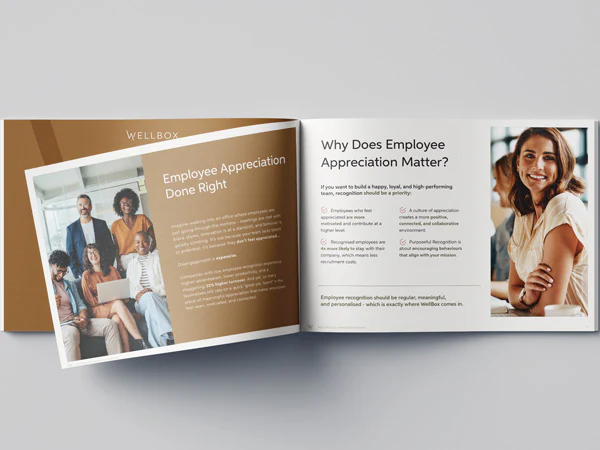
👇Pssst…Struggling to Keep Remote Employees Engaged and Connected?👇
If onboarding feels like a checkbox instead of a culture-builder, it’s time to rethink how you welcome, appreciate, and retain your people – from their first day and beyond.
Download our Employee Appreciation Toolkit for ideas that help you:
🎁 Make Every Moment Meaningful
Go beyond the generic welcome email. Use thoughtful, personalised gifting to turn key milestones – like onboarding – into moments that build connection and show you care.
💬 Build Belonging in Remote Teams
Whether it’s a new hire or a seasoned employee, help your people feel seen and valued – even when they’re miles apart.
📉 Combat Disengagement & Early Turnover
Start strong with onboarding, and keep the momentum going with simple, scalable ways to appreciate your people year-round.
5. 30-60-90 Days: Momentum, Belonging, and Measurable Progress
Onboarding doesn’t end after the first week, not even close. In 2026, the most successful companies treat onboarding as a 90-day runway, not a one-and-done checklist. Why? Because true integration takes time, and rushing it is a fast track to disengagement or early exits.
The 30-60-90-day framework is now standard practice for remote onboarding, and for good reason. It gives new hires a clear roadmap, creates space for gradual learning, and maintains those consistent touchpoints between the employee, their manager, and the wider team.
Here’s how the best teams are approaching each phase:
First 30 Days: Learn & Observe
- New hires focus on absorbing knowledge – systems, processes, workflows, customer insight, and team dynamics.
- Regular 1:1s with their manager help them process what they’re learning and build trust.
- Social belonging is reinforced with team shoutouts, virtual events, and buddy support.
- Encouraged to ask questions, shadow different teams, and explore without pressure to perform.
Next 30 Days (Day 31–60): Contribute & Connect
- Now it’s about applying what they’ve learned.
- Clear, role-specific goals should be introduced and progress tracked weekly.
- Managers provide feedback loops – both giving and asking for input.
- Cross-functional collaboration is encouraged to broaden their network and understanding of the business.
Final 30 Days (Day 61–90): Deliver & Reflect
- The focus shifts to ownership: completing real tasks, leading small initiatives, and demonstrating value.
- Managers hold performance check-ins and start discussing future development paths.
- Feedback from peers, buddies, and other collaborators helps round out the picture.
- Employees reflect on their experience: what helped them succeed, what they’d improve, and what they’re excited to do next.
And remember – onboarding is also about belonging. Smart companies bake in opportunities for recognition, social integration, and personal wins throughout these 90 days. That could be something as simple as a public shoutout, a surprise gift box at the 30-day mark, or a virtual lunch with the leadership team.
Because when people feel like they matter before they’ve even hit full stride, they’re far more likely to stick around long after.

7. Tools of the Trade: What’s Powering Remote Onboarding Now
Let’s be honest, remote onboarding in 2026 would fall apart without the right tools behind the scenes. Thankfully, we’ve come a long way from spreadsheets, calendar chaos, and never-ending email threads.
Today, onboarding is powered by smart, intuitive platforms that blend automation with a personal touch. The tech isn’t here to replace people, it’s here to free them up to focus on connection, culture, and coaching.
Here’s what’s in the modern onboarding toolbox:
Automated Workflows
No more chasing down paperwork or wondering if IT remembered to set up logins. Onboarding platforms now automate:
- Equipment shipping and setup tasks
- E-signature requests (contracts, NDAs, etc.)
- Scheduling introductions and welcome sessions
- Triggering reminders for managers, buddies, and HR
First-Week Planners & 30/60/90 Templates
Customisable templates help managers guide new hires through the first few weeks with consistency – and without reinventing the wheel. From daily agendas to goal-setting frameworks, these templates keep everyone aligned.
Learning Management Integrations
Training is no longer an afterthought. Onboarding systems now sync with LMS platforms to deliver personalised learning paths based on role, team, or skill level, so employees can hit the ground running and keep growing.
Buddy & Social Tools
Some platforms include built-in features to introduce onboarding buddies, assign mentors, or schedule virtual social events. And integrations with Slack, MS Teams, or Discord make it easy to embed onboarding into the flow of work.
Feedback & Reporting Dashboards
Real-time data helps HR and team leads track onboarding effectiveness, spot friction points, and tweak the experience as needed. Common metrics include:
- Task completion rates
- Time to productivity
- New hire satisfaction scores
- Training progress
And of course, gifting platforms (like WellBox 😉) have become an increasingly popular add-on, allowing businesses to easily send personalised appreciation gifts, wellness kits, or milestone gifts to remote employees at key stages in their journey.
The bottom line? Great onboarding tools aren’t about flashy features, they’re about enabling effortless, human-first experiences at scale.
8. AI, Automation, and Personalisation at Scale
In 2026, onboarding is no longer a one-size-fits-all process, and that’s largely thanks to the rise of AI and automation. But let’s be clear: this isn’t about replacing the human experience. It’s about enhancing it, creating scalable, tailored journeys that still feel personal, thoughtful, and distinctly human.
Here’s how companies are using AI and automation to level up onboarding:
Personalised Journeys, Not Generic Templates
AI tools can now customise onboarding flows based on a new hire’s role, location, department, and even learning style. That means:
- Tailored learning modules and resources
- Automated reminders relevant to their onboarding stage
- Role-specific goal setting
- Relevant introductions and buddy matches
It’s onboarding that feels handpicked – without manually building every experience from scratch.
Automating the Onboarding Admin – Without Losing the Magic
No one misses the paperwork. AI and robotic process automation (RPA) now handle:
- Equipment provisioning and account setup
- Access management and IT workflows
- Triggering welcome emails and scheduling meetings
This reduces errors, saves time, and lets HR teams focus on building relationships – not chasing signatures or setting up Zoom links.
Predictive Analytics for Better Outcomes
This is where things get really smart. AI tools can now track new hire engagement and identify patterns that predict:
- Time-to-productivity
- Likelihood of early turnover
- Satisfaction dips during onboarding
With this data, companies can proactively tweak their onboarding processes, intervene before disengagement happens, and continuously improve outcomes.
Conversational Support via AI Chatbots
New hires often have a lot of questions and not always during business hours. AI-powered chatbots can provide instant answers to common onboarding FAQs (think: “Where do I find the payroll portal?” or “Who approves expenses?”), easing the burden on HR while keeping support always-on.
Ethics, Bias & Security
With great power comes great responsibility. Leading companies are also investing in AI governance -ensuring that their systems are:
- Inclusive and free from bias
- Regularly updated and monitored
- Secure and compliant with data privacy regulations
Because a smart system is only as good as the ethics behind it.

9. Making Culture Tangible in a Virtual World
Here’s the challenge with remote onboarding: you can’t rely on the office to tell your story anymore.
There’s no watercooler chat. No team lunches. No walking someone past the “Wall of Values” in reception. In 2026, companies have had to get creative and intentional – about how they make their culture visible, felt, and lived from a distance.
The good news? It’s absolutely possible to build connection and belonging remotely. It just requires a shift from passive culture to active cultural design.
Virtual Rituals That Stick
Culture lives in small moments. That might look like:
- Weekly team shoutouts in Slack
- Friday “Wins & Gratitude” meetings
- Monthly themed trivia nights or co-working sessions
- Celebrating birthdays, workiversaries, or personal milestones with a shoutout or a surprise gift (hey, we know someone who can help with that 😉)
These rituals, when consistent, become the new heartbeat of remote culture.
Asynchronous Storytelling
Don’t underestimate the power of short, well-made videos. Think:
- Welcome messages from leadership
- “A day in the life” clips from team members
- Mission-driven highlight reels to remind people why you do what you do
New hires can engage with these on their own time, but still feel part of something bigger.
AR/VR and Immersive Onboarding
Some companies are experimenting with virtual office tours, digital whiteboarding sessions, and even AR-powered onboarding walkthroughs. While not essential, these tools can make the experience feel more dynamic and immersive, especially for global teams.
💬 Social Channels That Aren’t Just About Work
Remote teams thrive when there’s space to show up as people. That means:
- Dedicated Slack channels for pets, music, memes, or mindfulness
- Opt-in coffee roulettes or peer-matching systems
- Cross-functional mixers or digital “donut chats”
These spaces foster the kind of casual connection that naturally happens in a physical office but in a remote-friendly way.
Build Culture Into Your Onboarding Plan
The most successful companies don’t leave culture to chance. They embed it into every stage of onboarding:
- Preboarding videos about values and origin stories
- Day-one activities that reflect your tone and personality
- A buddy system that’s not just functional but cultural
Because if new hires don’t experience your culture early on, they’ll assume you don’t have one. And in a remote world, what people feel in their first weeks sets the tone for everything that follows.

10. Wellness as a Core Pillar of Onboarding
Starting a new job can feel exciting, but it can also be overwhelming, especially in a remote or hybrid environment where the lines between “work” and “life” are blurrier than ever. In 2026, smart companies are recognising that employee wellbeing is a foundation. And that foundation now begins during onboarding.
Instead of waiting for burnout signs to appear, many organisations are proactively building wellness into the onboarding journey, not as an add-on, but as a strategic pillar.
Here’s how:
Mental Health Support from Day One
Whether it’s access to mental health platforms, guided meditation apps, or flexible scheduling to ease into the role, new hires are increasingly being offered wellness resources upfront, not weeks or months later.
Some companies even include a short “wellbeing orientation” as part of the first-week agenda, covering:
- How to access mental health support
- Encouraging open conversations about stress or overwhelm
- Setting healthy boundaries (especially when working from home)
Wellness Check-ins Built Into Manager Conversations
Managers now play a key role in monitoring not just emotional and mental wellbeing. A simple “How are you really doing?” during onboarding check-ins goes a long way.
Some organisations include wellness as a talking point in 30-60-90 day reviews, alongside goals and development.
Wellness Welcome Packs
Let’s be real: a surprise wellness-themed onboarding gift– filled with things like herbal teas, mindfulness cards, sleep masks, or a guided journal – can be a powerful message that says: “We value you as a person, not just a performer.”
It’s exactly the kind of tangible, personal gesture that makes remote onboarding feel human. (Need help sending something like that? We have you covered.)
Encouraging Balance From the Start
This means creating space for breaks, discouraging back-to-back Zooms, and making it clear that wellbeing is not something to be “earned” – it’s expected. Some teams block out “no meeting” hours or schedule “deep work” time so new hires don’t feel pressure to be always-on.

11. Learning Starts on Day Zero
In 2026, onboarding is about getting your new hires ready to grow.
Gone are the days when learning and development were something you introduced after onboarding. Today, the most forward-thinking organisations treat onboarding as the first chapter of continuous learning – with bite-sized, role-relevant training kicking off from the moment the offer is signed.
Why? Because skill gaps are widening, tools are changing fast, and employees want to hit the ground running – but they also want to feel prepared.
Learning That’s Integrated, Not Bolted On
Instead of dumping a bunch of PDFs or pointing new hires to a dusty intranet, companies are now embedding learning into the flow of onboarding:
- Interactive role-specific tutorials during week one
- Short videos on internal tools and workflows
- Self-paced quizzes or knowledge checks to reinforce learning
- Shadowing sessions with peers or cross-functional teams
It’s not about overloading – it’s about pacing learning in digestible, context-driven ways.
Micro-Certifications & Performance Readiness
Some companies now offer internal “micro-certifications” as part of the onboarding track – think 15-minute sessions on compliance, security, product knowledge, or key systems.
These mini-accomplishments:
- Build early confidence
- Track progress toward productivity
- Give managers a clear view of where support might still be needed
Manager-Led Learning Conversations
Managers need to be coaching toward progress. Weekly check-ins now often include questions like:
- What’s been easiest or hardest to learn?
- Are there any tools or concepts that still feel fuzzy?
- What learning resources would help you right now?
These conversations create a culture of growth from day one, not six months in.
Learning as Retention Strategy
When employees see that their development matters from the start, they’re more likely to stay. It signals that this is the place where they can level up.
Because in 2026, onboarding isn’t the warm-up. It’s the first rep in the bigger training plan.
12. Proving It Works: The Metrics That Matter
It’s no longer enough to hope your onboarding is working – in 2026, successful companies are tracking it like any other key business function. Because if onboarding is your first real chance to boost retention, productivity, and engagement, you need to know what’s landing and what’s falling flat.
The good news? You don’t need a data science degree to measure onboarding success. Just a few key metrics, consistent tracking, and a willingness to improve.
Onboarding Metrics That Matter in 2026:
Time to Productivity
How long does it take for a new hire to become fully operational in their role? This is your North Star metric – especially in a remote environment where “looking busy” isn’t the same as being effective.
New Hire Retention Rates
Are employees sticking around past the first 90 days? Six months? A year? If not, where in the onboarding process are they dropping off? Pair this with exit feedback to spot gaps.
Training Completion Rates
Are new hires completing required learning modules? Are there drop-off points or common roadblocks? This shows how accessible and relevant your onboarding content really is.
Onboarding Satisfaction Scores
Pulse surveys during and after onboarding help you track how new hires are feeling. Ask simple questions like:
- How supported do you feel in your role?
- How well do you understand your responsibilities?
- How connected do you feel to the team/company?
Manager Feedback
How prepared do managers feel their new hires are after onboarding? Are new employees asking the right questions, taking initiative, and hitting early milestones?
360° Feedback from Peers & Buddies
Gather input from across the team – onboarding isn’t just about tasks, it’s about team dynamics. Peer feedback can uncover softer integration issues that productivity metrics might miss.
Predictive Analytics & AI Dashboards
More advanced tools are using AI to spot patterns before problems arise – like identifying which onboarding paths lead to faster ramp-up or where drop-offs tend to occur. These insights let you tweak onboarding proactively, not reactively.
The takeaway? If you’re not measuring onboarding, you’re guessing. And in 2026, when great talent is hard to find (and even harder to keep), guessing is expensive.
By tracking the right data, you can turn onboarding into a measurable, optimised, and constantly improving part of your employee experience – one that drives results and relationships.

13. What’s Still True in 2026: The Human Connection
With all the tech, templates, and automation powering remote onboarding in 2026, it’s easy to forget one simple truth: people still want to feel like people. Not “resources.” Not “users.” Just humans being welcomed by other humans.
No matter how advanced your systems become, human connection is still the most powerful part of onboarding – and the one that makes the biggest impact.
Here’s what hasn’t changed (and likely never will):
A Personal Message Beats a Perfect Workflow
That quick welcome video from a team member. A handwritten note in a welcome box. A manager taking 10 minutes to check in with no agenda. These moments might feel small, but they’re the ones new hires remember.
The Buddy System Still Works
Assigning an onboarding buddy or peer mentor is still one of the most effective ways to create early connection. It gives new hires a go-to person for questions, context, and culture, and helps them feel like they’re not navigating everything alone.
Being Heard Builds Belonging
Encouraging new hires to share their early impressions, ideas, or questions signals something important: we care what you think. It’s one of the fastest ways to turn a new employee into an engaged contributor.
Recognition Never Gets Old
Whether it’s a Slack shoutout, a milestone celebration, or a thoughtful gift at the end of their first 90 days – recognition makes people feel valued. And feeling valued is what keeps people engaged and loyal.
Culture is Carried by People, Not Platforms
Your onboarding software can guide a new hire through the process, but it’s your people who show them what your culture feels like. Every friendly message, every offer to help, every inside joke shared on a Zoom call, that’s culture in action.
Do Remote Onboarding Right in 2026
If there’s one thing remote onboarding in 2026 has made crystal clear, it’s this: onboarding properly is a strategic advantage.
The companies winning the talent game aren’t the ones onboarding faster. They’re the ones onboarding smarter – building experiences that are structured but personal, tech-enabled but deeply human.
But more than anything, they understand this: onboarding is the first real impression your team makes after the job offer. And in a remote world where people have more choice, more flexibility, and more reasons to leave early – that impression matters.
So whether you’re welcoming five new hires or fifty, don’t settle for “good enough.” Build an onboarding system that makes people feel seen, supported, and excited to stay.
🎉 Onboarding Is Just the Beginning…
Want to keep your team feeling connected and appreciated all year long?
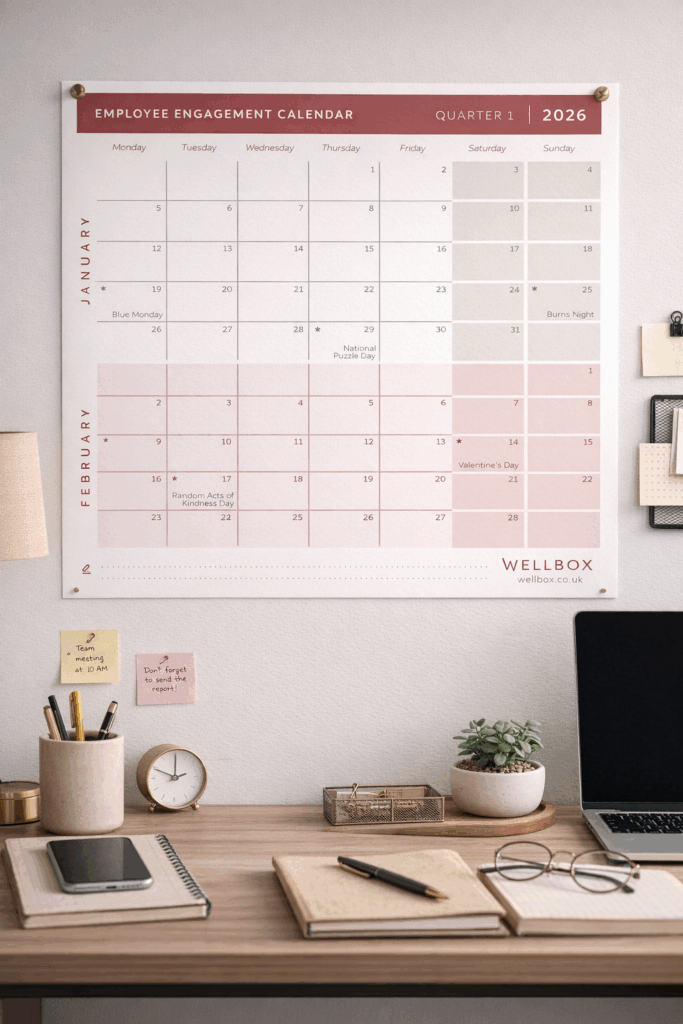
Download our Employee Engagement Calendar – packed with key dates, celebration ideas, and timely prompts to help you plan meaningful moments beyond Day One. From employee appreciation days to wellbeing awareness weeks, it’s your go-to guide for building a more engaged, people-first culture.
👉 Download the calendar below and never miss a chance to make your team feel valued.