Employee Appreciation Day has a bit of a reputation problem.
For some organisations, it’s become the workplace equivalent of a supermarket bouquet on Valentine’s Day: well-intentioned, mildly appreciated… and quickly forgotten. A company-wide email. A slice of cake in the kitchen. A LinkedIn post with a clapping emoji. Job done?
Not quite. Feeling genuinely valued at work has never mattered more. Research consistently shows that when employees feel appreciated, engagement rises, wellbeing improves and people are far more likely to stick around.
That’s why Employee Appreciation Day shouldn’t sit in HR calendars as a nice-to-have. When done properly, it’s a powerful opportunity to reconnect people to their work, their manager and the wider organisation, and to set the tone for a culture of recognition that lasts well beyond a single Friday in March.

What is Employee Appreciation Day (and Why It Matters)
Employee Appreciation Day takes place on the first Friday of March each year. It is dedicated to recognising the effort, contribution and impact employees make every day. In 2026, that falls on Friday 6th March.
Unlike long-running reward programmes or complex initiatives, Employee Appreciation Day is simple by design. It gives HR teams a clear, shared moment to pause and say, “we see you.” And because it’s already widely recognised, it doesn’t need selling in or over-explaining. Employees understand what it’s about – the opportunity lies in how thoughtfully it’s delivered.
Used intentionally, Employee Appreciation Day becomes less about the day itself and more about what it signals. That appreciation isn’t an afterthought, but a fundamental part of how your organisation values its people.
Why Employee Appreciation Day Should Be on Every HR team’s Radar
HR teams are under more pressure than ever. Engagement scores, retention challenges, wellbeing initiatives. All while supporting managers who are stretched thin and employees who are navigating constant change.
Employee Appreciation Day cuts across all of it.
When people feel appreciated, they’re more engaged in their work, more connected to their managers and more likely to stay. That recognition is one of the strongest levers HR has. And unlike large-scale programmes that take months to launch, appreciation is immediate. It’s felt in the moment, but its impact lasts much longer.
What makes Employee Appreciation Day particularly valuable is its timing. It gives HR a natural opportunity to refocus attention on recognition and reset expectations with leaders.
They can remind the organisation that appreciation is everyone’s responsibility – not something saved for annual reviews,
Handled well, Employee Appreciation Day doesn’t add another initiative to HR’s to-do list. It strengthens the ones already in place – from engagement and wellbeing, to culture and retention – by reinforcing a simple message: people who feel valued, stick around.
The Problem With Treating It As a Tick-Box Exercise
Employee Appreciation Day can lose its impact when it’s treated as a one-off gesture. A generic thank-you, a hastily organised lunch or a post that doesn’t match the day-to-day employee experience can feel performative.
Employees are quick to spot the difference.
When appreciation only shows up once a year, it risks feeling disconnected from reality – especially if recognition is missing the rest of the time. In some cases, it can even do more harm than good, highlighting a gap between what’s said and what’s actually felt.
For HR teams, this is the key consideration. The value of Employee Appreciation Day doesn’t come from doing something. It comes from doing something that feels genuine and aligned with your culture.

What Actually Makes Employees Feel Appreciated at Work?
Despite the wide range of perks, benefits and reward schemes on offer today, the fundamentals of appreciation haven’t changed all that much. Employees don’t need grand gestures to feel valued – they need recognition that feels personal, timely and sincere.
Across research and real-world experience, a few themes consistently stand out. People feel most appreciated when their efforts are noticed by their manager, when their hard work is acknowledged (not just results), and when they feel a genuine sense of belonging within their team and organisation. Supportive managers, visible praise and fair rewards all play a role, but it’s the human element that matters most.
This is where Employee Appreciation Day can really earn its place. Done well, it creates space for meaningful recognition, conversations, messages and moments that reflect what individuals actually care about, rather than a one-size-fits-all approach. And when appreciation feels relevant to the person receiving it, it’s far more likely to land, and to last.
Why Managers Matter More Than Any Initiative
No matter how strong your HR strategy is, employee appreciation lives or dies at manager level. It’s managers who see the day-to-day effort, the quiet wins and the progress that doesn’t always make it into reports or dashboards.
Employees are far more likely to feel appreciated when recognition comes from their direct manager – not because it’s formal, but because it’s informed.
For HR teams, Employee Appreciation Day is an opportunity to reset expectations with managers and give them the tools, prompts and permission to recognise their people well. When managers are confident and supported, appreciation stops being an initiative and starts becoming a habit.
Appreciation Isn’t All About Money
Recognition is only part of the picture. Feeling appreciated is often reinforced when effort is rewarded. But that doesn’t mean bigger budgets or cash bonuses are the answer.
In reality, some of the most meaningful rewards are non-monetary. Opportunities to learn and develop, or a thoughtful gesture that shows someone has been listened to, can carry more weight than a generic incentive. These types of rewards signal trust, investment and long-term commitment, rather than a short-term transaction.
For example, a carefully curated Employee Appreciation Day gift that’s inclusive, easy to deliver to hybrid teams and gives back to the community can feel far more personal than a standard voucher. When a gift is paired with a genuine thank-you message and a charitable meal donation, it becomes more than a perk – it becomes a tangible reminder that appreciation was intentional.
Employee Appreciation Day gives HR teams a chance to rethink what “reward” really looks like in their organisation.

Making Employee Appreciation Day Work for Hybrid and Remote Teams
With hybrid and remote working now firmly part of everyday life, appreciation can’t be designed solely around the office. If recognition only happens in one place, it quickly becomes exclusive – even if that’s not the intention.
Employee Appreciation Day works best when everyone can take part, regardless of where they’re working. That means thinking beyond in-office events and creating moments that translate across locations. Shared rituals, personal messages, delivered treats, virtual shout-outs or experiences that land directly with the individual.
For HR teams, this is where planning really pays off. A consistent, inclusive approach ensures appreciation feels fair and considered, not accidental. When employees feel equally seen – whether they’re at a desk, at home or on the move – the message is clear: appreciation isn’t tied to a place, it’s tied to people.

Simple, Meaningful Ways to Mark Employee Appreciation Day
When it comes to Employee Appreciation Day, impact matters far more than scale. HR teams don’t need to plan big-budget events. What works best are gestures that feel relevant, personal and easy for managers and employees to engage with.
- Encourage personalised manager recognition through one-to-ones or team meetings, focusing on specific contributions rather than generic praise.
- Enable peer-to-peer appreciation, giving colleagues simple ways to recognise and thank each other.
- Connect appreciation to company values, using shout-outs or stories that reinforce the behaviours you want to see more of.
- Create shared moments of recognition, such as a virtual town hall or team celebration that includes remote and hybrid employees.
- Use small, thoughtful gestures, delivered wherever people are working, to make appreciation feel personal rather than performative.
The most effective Employee Appreciation Day ideas are those that reflect how your organisation really works.
The HR takeaway
Employee Appreciation Day isn’t about grand gestures or getting it “perfect.” It’s about being intentional with your wellbeing strategies.
It offers a moment to pause and refocus on the role appreciation plays when work is more fast-paced than ever. When recognition is thoughtful, inclusive and supported by managers, it strengthens culture in ways policies and processes alone can’t.
The most effective approach is simple: choose one meaningful action to mark the day, and one habit to carry forward. When people feel genuinely valued, it shows up in how they connect, perform and stay.
How to Make Employee Appreciation Day Truly Meaningful
Employee Appreciation Day is a reminder that the moments people remember most at work are often the tangible ones. The ones that feel personal, thoughtful and genuinely human. Whether it’s welcoming someone new or simply saying thank you in a way, these moments matter.
For HR teams, the opportunity is to create experiences that feel considered. Experiences that work wherever employees are, and that strengthen connection long after the day has passed. Because when appreciation is done well, it’s not just about gifts or gestures. It’s about making people feel seen, valued and part of something bigger.
FAQs: Employee Appreciation Day
What is Employee Appreciation Day?
Employee Appreciation Day is held on the first Friday of March, dedicated to recognising employees for their contribution and impact. In 2026, it falls on Friday 6th March.
Why is Employee Appreciation Day important?
Employee Appreciation Day matters because feeling valued at work directly impacts engagement, wellbeing and retention. When appreciation is genuine and timely, employees are more motivated, connected and likely to stay with an organisation.
Is Employee Appreciation Day just an HR initiative?
No. While HR teams often lead the planning, meaningful appreciation happens at manager level. Managers play a crucial role in recognising day-to-day effort and making appreciation feel personal rather than performative.
How can organisations make Employee Appreciation Day more meaningful?
The most effective approach is to focus on thoughtful, personal recognition rather than big gestures. Encouraging manager-led appreciation, enabling peer recognition and creating inclusive moments for hybrid and remote teams all help make the day feel genuine.
What do employees actually value on Employee Appreciation Day?
Employees value recognition that feels sincere, specific and relevant to them. A personalised thank-you, acknowledgement of effort (not just outcomes), and gestures that show someone has been listened to often have more impact than generic rewards.
Does Employee Appreciation Day need a big budget?
Not at all. Many meaningful forms of appreciation are low or no cost – such as personal messages, public recognition, development opportunities or flexible working gestures. Thoughtfulness matters far more than spend.
How can Employee Appreciation Day work for remote and hybrid teams?
By designing appreciation that isn’t tied to the office. Personal messages, delivered treats, virtual recognition moments and inclusive celebrations ensure everyone feels seen, regardless of location.
Should appreciation stop after Employee Appreciation Day?
Ideally, no. The day works best as a catalyst rather than a one-off. It’s an opportunity to reinforce habits and behaviours that make appreciation part of everyday working life.
Finding It Hard to Keep Engagement High After the Big Moments?
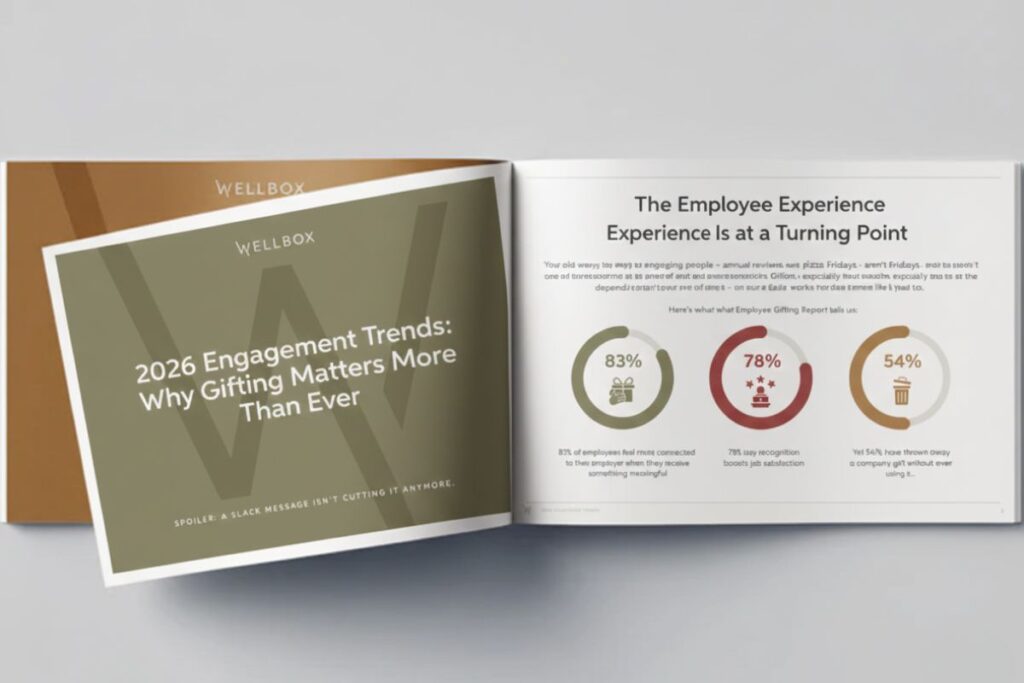
If Employee Appreciation Day gets people smiling but you’re unsure how to maintain that momentum, our 2026 Employee Engagement Trends guide will help you turn one-off recognition into lasting culture change.
Inside, you’ll explore:
- The key engagement and retention challenges shaping workplaces in 2026
- What employees really expect from recognition, wellbeing and leadership
- Practical ways to build consistent appreciation into everyday working life