Let’s be honest – landing a new client feels great.
There’s the high-five moment, the internal Slack celebration, maybe even a cheeky celebratory coffee (or cocktail, no judgment). But what happens after the deal is done? That’s where the real work begins and where most businesses drop the ball.
Client retention isn’t the sexy part of the sales funnel, but it’s the part that keeps your business stable, scalable, and yes – profitable. In fact, keeping a client can cost up to 5x less than acquiring a new one… and yet, so many companies still treat it like an afterthought.
This blog is here to change that. We’re diving into practical, proven strategies that help you hold onto your hard-won clients, and maybe even get them to love you a little bit more. Let’s make retention your new growth strategy.

1. Understand What’s at Stake: The Business Value of Retention
If client retention were a sport, it would be less “flashy slam dunk” and more “quietly winning the championship.” It doesn’t always get the glory, but it’s what separates the one-hit wonders from the brands that stick around and scale.
Here’s the kicker: just a 5% increase in customer retention can boost profits by 25–95%. Why? Because repeat clients spend more, refer more, and cost a lot less to engage than brand-new prospects who need wooing from scratch. Plus, loyal clients are often your best feedback loop – they tell you what’s working, what’s not, and what they’d happily buy more of.
Retention also gives your business a steady heartbeat. When you’ve got a solid base of returning clients, you can forecast more confidently, reduce panic-marketing mode, and reinvest in growth rather than constantly plugging leaks. Think of it like having a garden: it’s easier (and cheaper) to water the plants you’ve already grown than to keep planting new ones every week.
So before you chase your next shiny new lead, pause for a moment – and ask: am I giving my current clients a reason to stay?

2. Measure What Matters: Tracking Retention with the Right Metrics
Retention isn’t just a vibe – it’s measurable. And if you’re not tracking it, you’re basically driving with your eyes closed and hoping for the best. Not ideal.
To start, you’ll want to keep an eye on your churn rate – aka how many clients are quietly slipping away. That could be in the form of cancelled contracts, inactive accounts, or that awkward “we’re going in a different direction” email. The lower the churn, the healthier your client relationships.
But don’t stop there. Tools like Net Promoter Score (NPS) help measure how likely your clients are to recommend you. If you’re getting a lot of 9s and 10s, you’re in “promoter” territory – gold stars all around. Anything below a 7? Time to dig deeper.
Then there’s Customer Satisfaction (CSAT), Customer Effort Score (CES), and if you want to get really fancy, Net Revenue Retention (NRR) – which looks at whether your existing clients are spending more, upgrading, or growing with you. (Spoiler: that’s the dream.)
The point is: if you’re only looking at new sales, you’re missing half the story. Retention data tells you who’s happy, who’s hanging by a thread, and where to focus your energy before clients start ghosting. Because when it comes to client relationships, flying blind is never a strategy.

3. Make Feedback Actionable: The Power of Listening
Asking for feedback and doing nothing with it is like nodding along in a conversation while mentally planning your lunch. Your clients know when you’re not really listening. And in the world of retention, that’s a fast track to the exit.
Gathering feedback is essential, but what you do with it is where the magic happens. Whether it’s a quick NPS survey, a post-project check-in, or a casual “How are we doing?” email – when a client takes the time to share their thoughts, they’re handing you the blueprint to a stronger relationship.
But here’s the trick: close the loop. If someone flags a problem, follow up. If a client gives glowing praise, thank them (and maybe, just maybe, ask for a referral while you’re at it). Even small things like “We’ve made changes based on your feedback” can turn a passive client into a loyal advocate.
And don’t just collect feedback from the loudest voices – dig into the quiet middle, too. “Passive” clients (the ones who score you a 7 or 8 on NPS) aren’t unhappy, but they’re not thrilled either. With the right nudge, they could become some of your biggest champions – or quietly drift off if ignored.
Bottom line? Feedback isn’t a box to tick. It’s a roadmap. The better you listen – and act – the easier it becomes to build trust, fix issues before they escalate, and turn satisfied clients into lifelong partners.
4. Prioritise Onboarding: First Impressions Matter
You know that moment when you walk into a restaurant, no one greets you, and you stand awkwardly by the door wondering if you’ve made a huge mistake? That’s what poor onboarding feels like to a new client.
The truth is, how you welcome someone into your world sets the tone for everything that follows. Get it right, and you’ve got a confident, informed client who feels supported from day one. Get it wrong, and even the best product or service can start to feel like a regret waiting to happen.
Great onboarding isn’t just about ticking admin boxes or sharing a login, it’s about building trust and showing up with clarity, guidance, and (ideally) a touch of personality. Think welcome emails that feel human, easy-to-follow tutorials, clear timelines, and real people ready to help. Bonus points if you throw in a thoughtful gift or handwritten note (hello, WellBox ✨).
And remember: new clients are often your most vulnerable. They’re excited, but they’re also scanning for red flags. A smooth, thoughtful onboarding experience tells them they’ve made the right choice – and that you’re not just great at selling, but even better at delivering.
So roll out the virtual red carpet. Make it easy. Make it clear. And most importantly, make it feel like they’ve joined something special, because they have.

5. Personalise the Experience at Every Stage
Nobody wants to feel like Client #487. And yet, too many businesses treat every client the same – same emails, same offers, same copy-paste check-ins. The result? Lukewarm relationships and clients who won’t think twice about jumping ship when a competitor comes knocking.
Personalisation isn’t just a “nice touch” anymore, it’s an expectation. From the first proposal to ongoing support, clients want to know that you see them: their goals, their quirks, their challenges. Even small gestures, like referencing their latest campaign in a follow-up email or sending a snack gift tailored to their dietary needs, show that you’re paying attention.
And you don’t need to be a psychic or a CRM wizard to pull this off. Use the data you already have, like recent purchases, engagement levels, support tickets – to tailor your messaging, your offers, and even the timing of your outreach. A “Hey, just checking in” email is fine, but a “Noticed your usage dropped last month – anything we can support you with?” email? That’s the kind of personal that builds loyalty.
The more relevant and human your interactions feel, the harder it is for a client to see your business as interchangeable. You’re not just another vendor – you’re their go-to partner who gets it.
6. Engage Continuously: Prevent “Silent” Churn
Some clients don’t leave with a dramatic goodbye. No complaints, no angry emails. They just… fade out. One day they’re replying to everything, the next? Radio silence. That, my friend, is silent churn — and it’s one of the sneakiest threats to your retention strategy.
The problem is, most businesses focus all their attention on solving loud, visible problems — but it’s the quiet ones that often slip away unnoticed. That’s why ongoing engagement is essential. Not once a quarter. Not when it’s time to renew. But consistently, in ways that feel natural and valuable.
This doesn’t mean bombarding your clients with sales emails or “just circling back” messages every other Tuesday. It means finding meaningful ways to stay in their orbit. Share a relevant article, check in after a product update, invite them to a webinar, or send a small gift to say thank you for being awesome. Even a short “Hey, how’s everything going?” can be enough to reignite the connection.
Most importantly, keep an eye out for early warning signs – reduced usage, skipped meetings, delayed replies. These signals aren’t just flukes; they’re gentle nudges that something might be off.
Bottom line: don’t wait for clients to shout. Stay close, stay curious, and stay useful – because the ones who drift without a word? They’re the hardest to win back.

7. Elevate Customer Support to a Relationship Builder
Here’s a little secret: clients don’t stay loyal because nothing ever goes wrong – they stay loyal because of how you handle it when things do.
Customer support is often seen as a reactive function – fixing bugs, answering questions, putting out fires. But in reality, it’s one of your biggest opportunities to build trust, loyalty, and long-term relationships. Every interaction is a chance to show your clients that they’re not just a ticket number in a queue.
Fast, friendly, and human support can be the difference between a one-time buyer and a lifelong brand advocate. That means no copy-paste responses, no “we’ll get back to you in 3-5 business days” energy, and absolutely no letting support issues go unresolved or unacknowledged.
It also means making it easy for clients to get the help they need – whether that’s live chat, self-serve resources, or someone at the other end of the phone who actually knows their account. (Bonus points if that person also knows their dog’s name. Just saying.)
And don’t just wait for problems to pop up. Proactive support – like checking in when usage dips or offering training on underused features – shows you’re invested in your clients’ success, not just reacting to their stress.
Support is more than a safety net – it’s a key pillar of the relationship. Handle it with care, and it becomes one of your strongest retention tools.

8. Strengthen Relationships Through Account Management
If support is the safety net, then account management is the steady hand on the relationship wheel – guiding, checking in, and making sure no one gets lost along the way.
Strong account management isn’t just about handling renewals or upsells. It’s about building real, human relationships with your clients over time. Whether it’s one dedicated manager or a small team, having a go-to person who knows the client, their goals, and their quirks makes a massive difference.
It also helps avoid what we lovingly call “set it and forget it syndrome.” That’s when a client signs on, gets what they paid for, and then… nothing. No check-ins, no progress updates, no strategy conversations. Just invoices. And we all know – invoices don’t build loyalty.
A great account manager is part advisor, part strategist, part problem-solver. They celebrate the wins, spot the risks, and step in before a client goes cold. They help clients get more value from your product or service, show them what’s next, and most importantly – make them feel like they’re not just another line item in your CRM.
Regular calls, personalised reviews, and good old-fashioned “how are things going?” moments go a long way. Because at the end of the day, people stick with people – not platforms, pricing, or features.

9. Reward Loyalty with Tangible Value
Loyalty shouldn’t just be appreciated – it should be celebrated. If a client has stuck with you through thick and thin (and probably a few bug fixes), they deserve more than just another invoice and a polite “thanks.”
People want to feel seen. So when your clients consistently renew, refer, or expand their business with you, give them a reason to feel like VIPs. It doesn’t have to be flashy or expensive – just thoughtful and tailored. Think: surprise discounts, early access to new features, handwritten thank-you notes, or a curated WellBox gift that shows you actually know their taste (and maybe their caffeine preference).
You can also build this into a formal loyalty or referral program. Reward points, exclusive perks, even simple recognition in a client newsletter – it all adds up. Not only does it show gratitude, but it reinforces that your relationship is a two-way street.
And don’t forget the emotional side of loyalty. Sometimes, just acknowledging the relationship — especially during milestones like contract anniversaries or their business wins – is more powerful than any discount code.
The takeaway? Loyalty is a gift. But it’s also something you can actively earn – and keep – by giving just a little back in return.
10. Build Community Around Your Brand
Let’s be honest – most B2B relationships can feel a bit… transactional. But the brands that truly stick in clients’ minds are the ones that build something deeper: a sense of community.
When you bring clients into a shared space, whether it’s an exclusive group, a private Slack channel, a quarterly roundtable, or even a casual “coffee and chat” webinar – you shift the relationship from “vendor” to valued partner. You’re not just solving problems anymore – you’re building a network, sparking conversations, and creating a space where your clients can learn, share, and grow together.
Community adds a layer of stickiness that’s hard to replicate. It gives clients a place to connect with your team and with each other, making it harder to walk away without losing something more than just a service.
Plus, it’s a goldmine for feedback, product insight, and even content ideas. When clients feel heard and involved, they’re more likely to engage and stay.
And no, it doesn’t need to be over-engineered or require its own app. Even a simple LinkedIn group or invite-only newsletter can create that sense of belonging. The goal is to make clients feel like they’re part of something bigger, not just buying from a faceless brand, but contributing to a shared mission.

11. Use Data & Tech to Stay Ahead of Churn
If you’re relying on gut instinct to spot unhappy clients, you’re already behind. Today, your best tool for retention isn’t charm or guesswork, it’s data. The right tech stack can help you spot problems before a client hits the cancel button.
Start by tracking the basics: usage patterns, engagement rates, support tickets, time between logins – anything that hints at how (or if) your client is actually interacting with your product or service. A sudden drop-off in activity? Slower email replies? Fewer logins? That’s not just “a quiet month” – it’s a blinking churn risk signal.
And when you combine that behavioural data with feedback tools like NPS or CSAT, you get a much clearer picture of who’s thriving, who’s wobbling, and who’s one frustrating email away from walking.
The good news? You don’t need to be a data scientist to make this work. A decent CRM, a few well-integrated tools, and some smart automations can surface trends, trigger alerts, and help your team act fast.
Because in the world of client retention, speed and relevance win. The sooner you know something’s off, the sooner you can jump in with a solution or even just a check-in to show you care.
Data doesn’t replace human relationships. It just helps you protect them.
12. Exit Interviews and Win-Back Strategies
Alright, so sometimes – despite your best efforts – a client leaves. Maybe it’s budget cuts, a new decision-maker, or they’ve been seduced by a shiny new competitor. It happens. But here’s the thing: a goodbye doesn’t have to be the end of the road.
Enter: the humble exit interview. This is your chance to gather gold. Ask the right questions (and actually listen), and you’ll uncover the real reasons behind the split, some of which might be fixable, or at the very least, preventable next time around.
Even better? A thoughtful exit process can plant the seed for a comeback. If a client feels like you care enough to ask, reflect, and improve, not just chase their replacement – they’re more likely to return if things go south with their next provider. In fact, studies show win-back campaigns often convert better than brand-new outreach.
So don’t just let them drift off into the unsubscribe abyss. Follow up with value, not guilt. Offer a helpful resource, a tailored incentive, or even a “just checking in” message a few months down the line. And if they don’t come back? You’ve still gained insights that can help you keep the next client from walking.
Because sometimes the best retention strategy is simply not burning the bridge.

Retention Starts with Real Relationships
Client retention isn’t rocket science – but it is a long game. It’s about showing up consistently, listening actively, and creating moments that make your clients feel genuinely valued. Because in a world of endless options and inbox overload, the businesses that win aren’t always the cheapest or the flashiest – they’re the ones that make their clients feel seen, supported, and appreciated.
That’s where we come in.
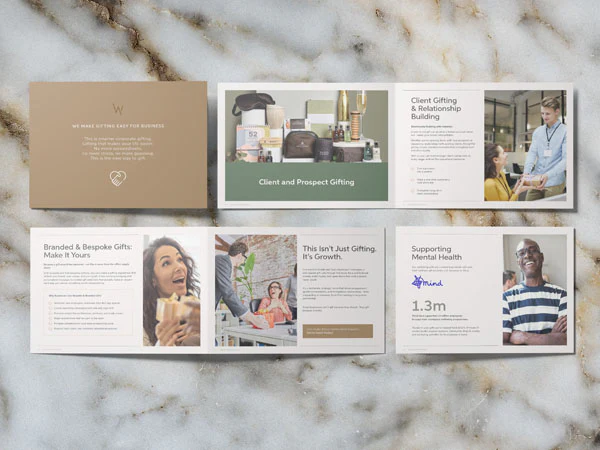
Whether you’re welcoming new clients, celebrating milestones, or re-engaging a quiet account, gifting is a strategic retention tool. A thoughtful, personalised WellBox gift can turn a transactional moment into a memorable one. And those moments? They add up to relationships that last.
So if you’re ready to turn “thanks for your business” into “we’re in this together,” we’d love to help.
Explore our curated client gifting options and start making retention more personal, one gift at a time.
😩 Struggling to Keep Clients Engaged?
While emails and quarterly reviews have their place, sometimes what really cuts through the noise… is a gift that lands at the perfect moment.
That’s where The Power of Gifting comes in – a punchy guide that shows you exactly how to make gifting part of your retention toolkit (without the stress, spreadsheets, or generic hampers).
Inside, you’ll discover:
- 🎯 Why gifting works and how it fits seamlessly into the client journey from onboarding to renewal.
- 🚫 What not to do, including the common gifting mistakes that send the wrong message.
- ✅ How to make gifting easy, inclusive, and actually enjoyable – no chasing addresses, no guesswork, no admin headaches.