Mental Health Awareness Week 2026 runs from 11–17 May, and if your current plan involves forwarding a single email and hoping for the best – we’re here to help. This annual campaign, organised in the UK by the Mental Health Foundation, exists to open conversations, reduce stigma, and give workplaces a moment to pause and genuinely ask: are we doing enough for our people?
The honest answer, for most organisations, is: there’s more to do. Research shows that only 74% of employees feel their employer is genuinely supporting their health and wellbeing – and among workers aged 50–59, that number drops to 62%. Mental health touches everyone in your team, and the good news is that small, thoughtful actions can make a real difference.
So, whether you’re a people team of one or leading a culture programme across hundreds of employees, here are ten ways to mark Mental Health Awareness Week in a way that actually lands – and lays the groundwork for something that lasts well beyond May.

Why Mental Health Awareness Week Matters for Employers
A dedicated week creates momentum. People give themselves permission to talk, teams rally around a shared theme, and leaders have a natural moment to show up with intention. But the real opportunity is bigger: using the week as a launchpad for lasting cultural change, rather than a one-off event that disappears from the internal comms calendar by the 18th.
The organisations that get this right treat Mental Health Awareness Week as the beginning of an ongoing conversation – one that gets woven into how they lead, how they listen, and how they support their people every month of the year.
10 Ways to Mark Mental Health Awareness Week at Work
1. Create Space for Open Conversations
Sometimes the most powerful thing a workplace can do is simply say: this matters, and we’re making room for it. Whether you host an informal team chat, a structured discussion session, or bring in an external mental health speaker, creating a dedicated space for people to share experiences (on their own terms) is genuinely valuable.
Peer storytelling breaks down stigma faster than any policy document. When someone hears a colleague describe a period of burnout or anxiety and come out the other side, it makes the topic feel less frightening and more normal. The key is making participation optional, keeping the tone warm and non-judgemental, and – crucially – not letting these conversations disappear after the week ends.
2. Invite Leaders to Share Their Own Stories
This one deserves its own section, because it’s that important. When senior leaders share personal stories about mental health challenges – what they found hard, what helped them, what they wish they’d known – the effect on team culture is significant.
Seeing vulnerability from leadership signals to everyone else that struggle is ordinary, not a weakness. It opens up space for honesty and makes it easier for people to reach out or seek support without fear of judgement. This could take the form of a short video message, an internal blog post, or even a few minutes at the start of an all-hands meeting. The format matters far less than the authenticity.
3. Introduce a Mental Health Pledge or Charter
A formal commitment – such as a mental health charter or workplace pledge – signals that your organisation’s dedication to wellbeing goes beyond a single week on the calendar. A pledge might include commitments around reducing workplace stress, improving access to support, and creating psychologically safe environments.
Launching or signing a charter during Mental Health Awareness Week puts the initiative front-and-centre and gives employees something concrete to point to. Over time, it becomes a document the organisation is accountable to – which is exactly the point.
4. Offer Mental Health Days
Mental health days – dedicated time off that employees can take to care for their wellbeing – send a clear signal: your mental health matters as much as your physical health. Full stop.
Employees who are given the space to rest and recharge return to work more focused, more creative, and more engaged. Burnout, on the other hand, is extraordinarily expensive – for individuals and for organisations. Mental Health Awareness Week is the perfect moment to announce or expand a mental health day policy, particularly if yours is still stuck in the “just take a sick day” era.

5. Give People Free Access to Mental Health Resources
One of the most practical things employers can do is make it easier for people to access support – removing both the financial and psychological barriers that often stop someone from taking that first step. During the week, consider introducing or promoting access to:
- Employee Assistance Programmes (EAPs) with counselling and therapy
- Mental health hotlines and self-referral services
- Online therapy platforms or wellbeing apps
- Mental health webinars and guides relevant to common workplace challenges
Even if the resources already exist, many employees don’t know about them or feel comfortable using them. Visibility and warm encouragement go a long way.
6. Launch a Mental Health Buddy System
A mental health buddy system pairs colleagues together to offer peer support, share experiences, and check in on each other – especially useful in larger organisations where people can feel disconnected or overlooked.
Peer support creates a sense of community and gives people someone to talk to who understands their working environment. Mental Health Awareness Week is a natural moment to introduce this kind of initiative, when mental health is already the topic on everyone’s lips. Once the week is over, the buddy system carries the conversation forward – which is exactly the goal.
7. Encourage Movement and Mindfulness
Physical movement supports mental health, and doing it together boosts connection – which makes a team wellbeing walk or a step challenge a genuinely clever two-for-one. Encourage small groups to explore local parks, schedule short walking meetings, or – for remote and hybrid teams – track steps individually and share progress (and photos of their walks) in a shared channel.
Alongside movement, mindfulness practices like guided meditation, breathing exercises, or yoga sessions can help employees reduce stress and improve focus. Research suggests mindfulness is linked to a 12% improvement in productivity – not bad for something that costs nothing but a few minutes and a quiet room. Making these sessions available during the week, and keeping them going afterwards, helps embed them into the rhythm of work rather than treating them as a one-off wellness event.

8. Run Creative Expression Sessions
Creative outlets – art, writing, photography, music – give employees a way to process and communicate experiences that are often hard to put into words. During the week, invite your team to contribute to a collective gallery (physical or virtual) where people can share whatever feels right, perhaps with a short reflection explaining what it means to them.
This kind of initiative makes abstract experiences tangible. It builds empathy across teams, gives voice to perspectives that often go unheard, and – done well – can be one of the more memorable things your organisation does all year. No artistic talent required. Participation is the point.
9. Fundraise for a Mental Health Charity
Getting the team involved in fundraising for a mental health charity serves two purposes: it generates energy and togetherness, and it contributes to the wider societal shift that weeks like this are designed to drive. Ask the team to nominate or vote on an organisation they care about, then plan something fun – a bake-off, a sponsored challenge, a quiz night – that brings people together around a shared cause.
If every company helps reduce the stigma, the ripple effect at a national level starts to become real.
10. Send a Thoughtful Wellbeing Gift
Sometimes the simplest gestures carry the most weight. A carefully chosen gift – something that says we see you, we appreciate you, and your wellbeing matters to us – can land with real warmth during a week focused on mental health.
Corporate gifting has evolved a long way from the branded stress ball era (thankfully). Wellbeing-focused gifts, whether that’s a curated box of mood-boosting treats, self-care essentials, or products designed to help people unwind, give employees something tangible to take home. Something that extends the message of the week beyond the office walls and into their everyday lives.
At WellBox, we’ve put together a Mental Health Awareness Week gift collection designed with exactly this in mind – Whether you’re gifting a whole team or acknowledging individuals who’ve gone above and beyond in supporting their colleagues, it’s a small touch that makes the week feel genuinely cared-for rather than corporate.

Because recognition and care aren’t just good for morale. They’re good for business too.
11. Gather Feedback and Build an Ongoing Wellbeing Strategy
Here’s the one that ties everything together. If you want to know whether your mental health support is actually working, ask your people. A short, well-crafted employee wellbeing survey during Mental Health Awareness Week can surface honest insights about where employees feel supported, where the gaps are, and what would make the biggest difference.
Use that data to build – or refine – an ongoing mental health strategy. One that evolves as your team grows and changes. One that has ownership, budget, and leadership buy-in. The feedback loop matters here: when employees see that their input shapes real decisions, they’re more likely to engage, more likely to be honest, and more likely to feel that the organisation genuinely cares about them.
Because the ones that do? They tend to be the ones people actually want to stay at.

Make the Week Count and Keep It Going
Mental Health Awareness Week is a powerful catalyst. But the organisations that make the biggest impact are the ones that use it as a starting point, building the habits, systems, and culture that keep employee wellbeing at the centre of how they operate all year round.
With only 74% of employees feeling genuinely supported in their mental health needs, the opportunity – and the responsibility – for employers is clear. The good news is that many of the actions above cost very little. What they do require is intention, consistency, and a genuine commitment to listening.
That’s where we come in. At WellBox, we believe that looking after your people is one of the most powerful investments a business can make.
Struggling to keep the momentum going after MHAW?
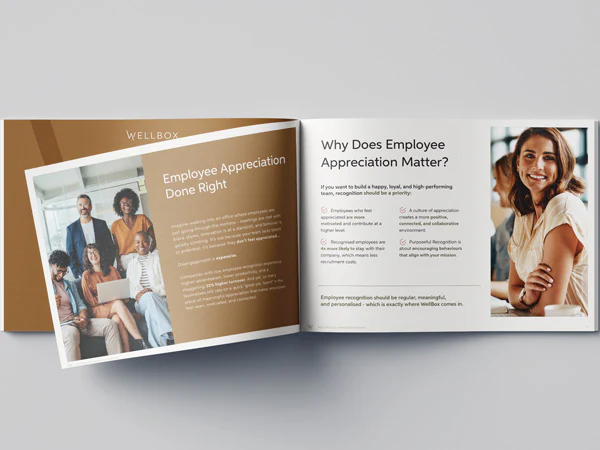
A great Mental Health Awareness Week is just the start. Our Employee Appreciation Toolkit will help you turn one meaningful week into a culture of genuine, year-round wellbeing.